
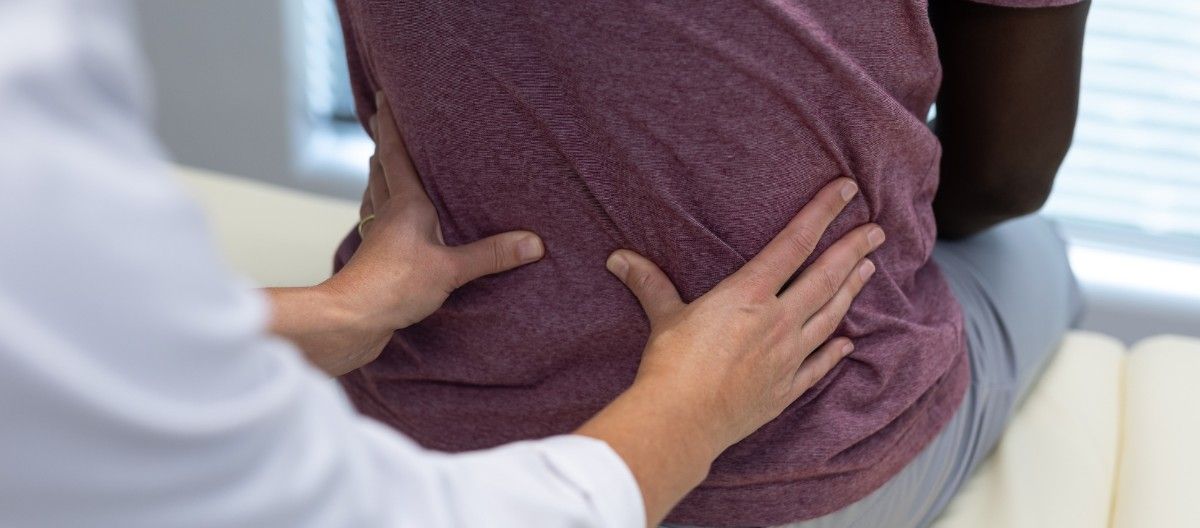
How Exercise and Education Help in Long-Term Back Pain Treatment
Do you suffer from recurring back pain that keeps coming back even after treatment? This is a common issue faced by many people today, especially those with sedentary lifestyles or poor posture habits.
Back pain not only affects your physical health but also disrupts your daily routine, work productivity, and overall quality of life. The most effective long-term solution is not just temporary relief—but a combination of targeted exercises and proper education about your body and lifestyle.
Understanding Your Back Pain
Back pain can vary in intensity, frequency, and duration. Some people experience occasional discomfort, while others deal with chronic pain lasting weeks or even months.
The key to effective treatment lies in identifying the root cause, which may include:
- Muscle strain or ligament injury
- Poor posture while sitting or working
- Sedentary lifestyle
- Spinal issues like slipped disc or misalignment
- Repetitive movements or overexertion
A physiotherapy specialist evaluates your condition and recommends a personalized treatment plan that includes exercises and lifestyle corrections.
Types of Back Pain You Should Know
Muscle or Ligament Pain
This is the most common type, caused by:
- Overexertion
- Sudden movements
- Awkward posture
Spinal-Related Pain
- Herniated (slipped) disc
- Spinal misalignment
- Chronic lower back issues
Injury-Based Pain
Accidents or sports injuries can also lead to temporary or long-term back pain.
Treatment depends on the type of pain, but exercise and posture correction are key in almost all cases.
How Your Lifestyle Affects Back Pain
Your daily habits play a major role in developing back pain:
- Upper Back Pain → Poor posture while using laptop/mobile
- Middle Back Pain → Muscle strain or sudden twisting
- Lower Back Pain → Long sitting hours, lack of exercise
Simple Lifestyle Fixes:
- Take breaks every 30–45 minutes
- Use ergonomic chairs
- Avoid slouching
- Stay physically active
Small changes can prevent long-term problems.
When Should You Opt for Physiotherapy?
Many people ignore back pain in the beginning and rely on:
- Rest
- Hot/cold compress
- Home remedies
However, you should consult a physiotherapist if:
- Pain persists for more than a few days
- Movement becomes restricted
- Pain keeps recurring
- Daily activities are affected
Early treatment prevents chronic conditions and speeds up recovery.
Role of Exercise in Back Pain Treatment
Exercise is one of the most effective ways to treat and prevent back pain.
A physiotherapist will guide you with:
- Strengthening exercises
- Stretching routines
- Mobility improvement techniques
These exercises help:
- Reduce pain and stiffness
- Improve flexibility
- Restore normal movement
- Prevent future injuries
Why Education is Equally Important
Treatment is not just about exercises—it’s also about understanding your body.
Patient education includes:
- Correct sitting and standing posture
- Safe ways to lift objects
- Movements to avoid
- Daily activity modifications
This knowledge empowers you to prevent pain from coming back, reducing dependency on clinic visits.
Back Pain Clinic Near You: What to Expect
At a professional physiotherapy clinic, you will receive:
- Detailed assessment of your condition
- Personalized exercise plan
- Posture correction guidance
- Long-term prevention strategies
This ensures not just relief—but sustainable recovery.
EEZALIGN: Empowering Patients with Long-Term Relief
At EEZALIGN, we focus on treating the root cause—not just the symptoms.
Our approach includes:
- Customized therapy plans
- Exercise-based rehabilitation
- Patient education for long-term care
- Continuous monitoring and support
We aim to help you live a pain-free life without frequent clinic visits.
Book your consultation today and take control of your back health.
FAQs About Back Pain Treatment
Exercises vary depending on your condition. Common ones include stretching, core strengthening, and mobility exercises.
It teaches you correct posture, safe movements, and lifestyle habits to prevent pain from recurring.
Yes, maintaining an active lifestyle is important to keep your spine healthy and prevent future pain.
By following prescribed exercises and maintaining proper posture in daily activities.
Yes, every treatment plan is customized based on the patient’s condition and needs.
Absolutely. Consistent exercise and correct habits significantly reduce the chances of recurrence.