
Back Pain
Non-Surgical
Treatment
Don’t let back pain limit your daily life.
Get assessed, understand the cause, and get long-term relief.

Overview
Back pain, a problem affecting millions of people nowadays!
But as the reason remains hidden, people just keep adjusting and learning to live with it.
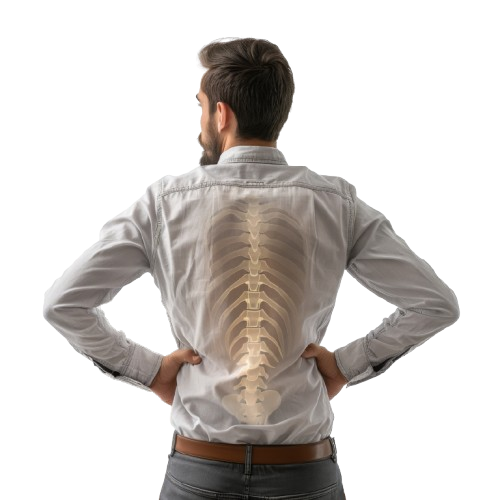
Your back is a vital organ of your body, which provides your body with support for whole-day-long activities. Whether you have upper back pain, stiffness between the shoulder blades, or lower back pain, the stress created by your poor posture can be a major factor for this pain.
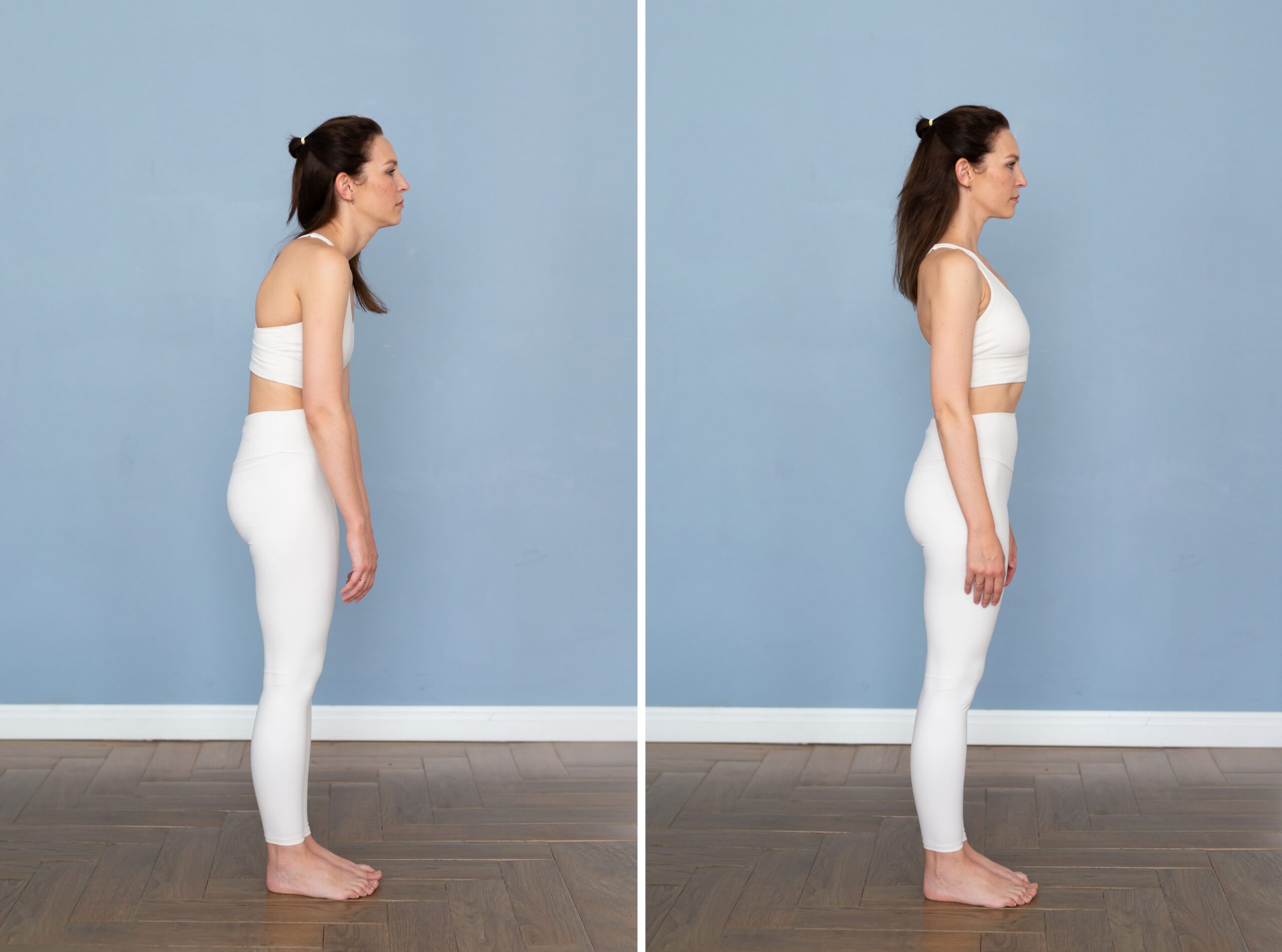
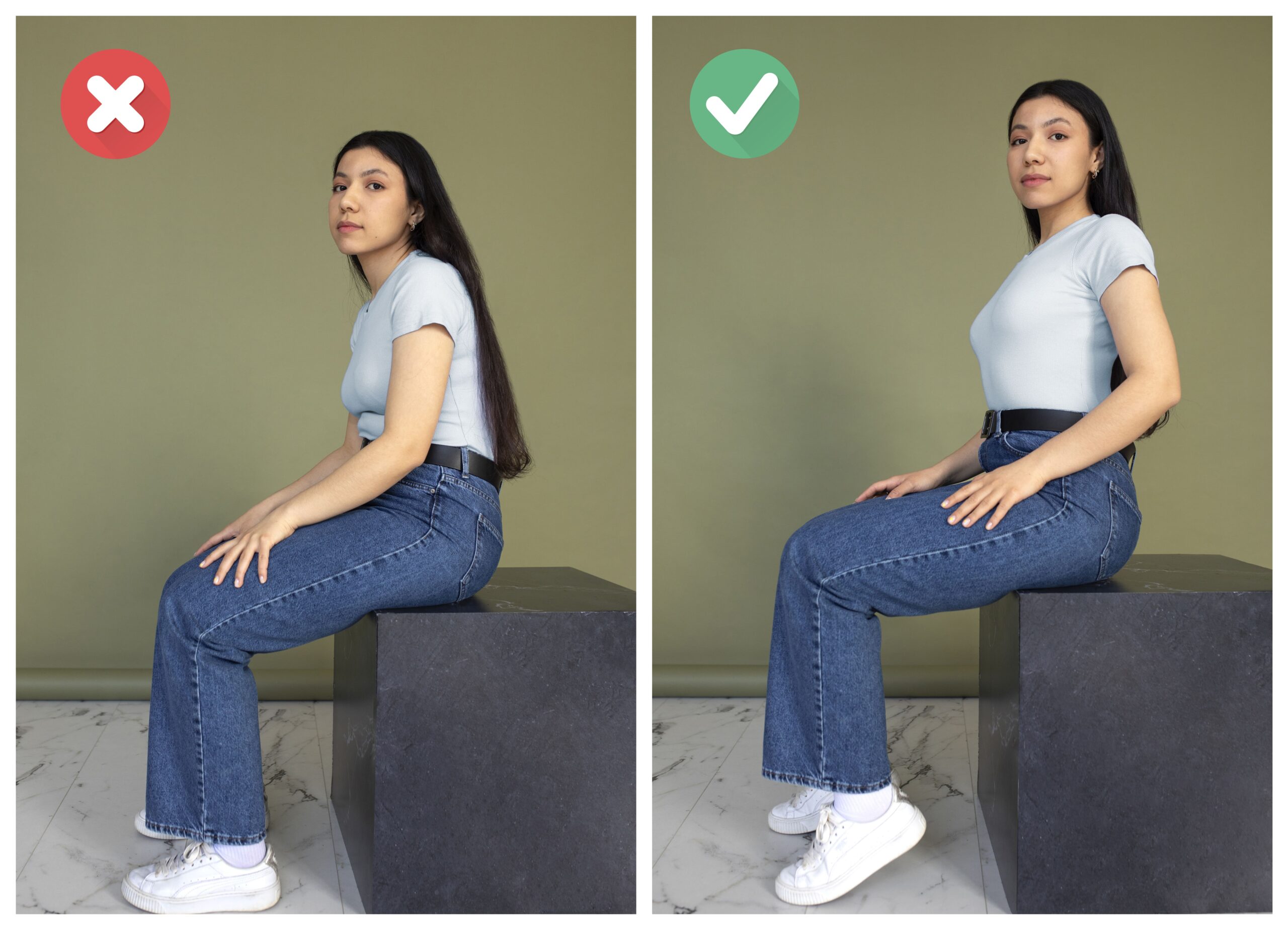
It might be surprising for you, but yes, it is true that one of the major factors for chronic back pain is poor posture. Unknowingly, poor posture can keep affecting your body alignment and movement patterns, which further disturbs the alignment of your spine. This can contribute to back pain due to poor posture, highly characterized by problems like stiffness, fatigue, movement restrictions, and recurring discomfort.
What starts as a normal short-term pain can slowly and gradually progress into a constant pain, commonly known as ‘chronic back pain without injury’.
Many people spend years living with their recurring back pain. Eventually, they start adapting to their pain, which is even more dangerous; for example, they start avoiding certain activities, move more carefully, or simply accept discomfort as part of daily life. They fail to understand that the ongoing irritating pain in their body is the warning signal of something wrong going on inside their body.
Therefore, focus on efficient back pain treatment on time, which works on providing a root-cause treatment. When the underlying factors are addressed, the body gets the opportunity to move better, feel stronger, and achieve long-term recovery from back pain.
Do you think back pain is only a back problem? Discover where else it can affect your body.
Back Pain Keeps Comes and Goes?
Stop Chasing Temporary Relief and
Work Towards Lasting Relief.
Symptoms to watch for
- Persistent ache across the Back
- Pain Between the Shoulder Blades
- Upper Back Stiffness and tightness
- Lower Back Pain While Standing
- Back Pain While Walking
- Difficulty sitting for long periods
- Morning Back Stiffness
- Reduced Spinal Mobility
- Fatigue in the back muscles
- Recurring Back Pain
Causes
Spinal Misalignment
Poor posture can slowly affect the spinal alignment, as a result of which stress increases on the upper, middle, and lower back, leading to recurring back pain.
Forward Head Posture
Owing to the long sitting hours on desktops and certain other activities, the head moves forward from its natural position, leading to extra strain on the neck and upper spine. Upper back pain can be seen along with stiffness and muscular fatigue.
Rounded Shoulders
Due to the problem of forward head, the shoulder can roll, changing the position of the upper body and creating movement restrictions. This often comes along with pain between the shoulder blades and constant upper-back tightness.
Muscle Tension and Postural Fatigue
Spending a lot of time sitting, standing, or working in one position can lead to muscle stiffness. The constant occurrence of this issue can lead to chronic back pain, resulting in difficult movements.
Poor Breathing Mechanics
A very less-known fact is that the way you breathe affects your posture. If you’re not breathing well, tension can build up in your chest, ribs, and spine, which can cause ongoing stiffness and discomfort in your back.
Referred Pain from the Neck
Sometimes the source of back pain is not where you feel it. Restrictions in the neck can create referred pain from the neck, resulting in upper back pain, middle back pain and spinal discomfort.
Weak Core and Movement Imbalances
The muscles supporting the spine keep the body properly aligned, but when these muscles weaken, it leads to poor posture. body. This can lead to back pain while walking, back pain while standing, and even chronic back pain.
Disc Bulge and Stress Associated with the Disc
A bulging disc, also known as disc prolapse, can create muscle tension and too much discomfort in various parts of the back, leading to lower back pain and even chronic back pain sometimes.
Age-Related Changes and Arthritis
Ageing can contribute to changes in the spine over time, which can disturb the alignment of the body and create back pain during daily activities even when there is no recent injury.
Risk Factors

Long Hours of Sitting

Weak Core and Muscle Imbalances
Poor Lifting and Movement Habits
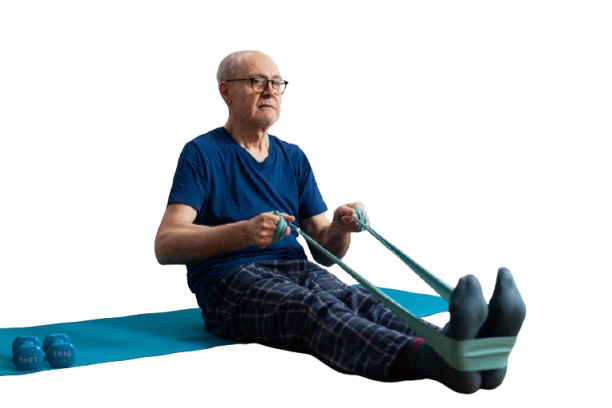
Decreased Mobility and Physical Inactivity

Tension in the Muscles and Stress
When Should You Visit EezAlign?
You’ve Tried Everything…
- Resting your back
- Applying hot or cold packs
- Taking painkillers
- Using pain-relief gels and sprays
- Trying home remedies and self-stretches
- Doing random back exercises
- Using a back support or belt
- Changing your sleeping position
- Avoiding movements that trigger pain
But The Pain Keeps Returning!
This Is Where EEZAlign Comes In
We don’t treat back pain as just a back problem. Our approach starts with a detailed assessment of your posture, spinal movement, muscle balance, movement patterns, and overall body alignment to understand what may be contributing to your pain.
01
ASSESS
Posture & Alignment
02
ANALYSE
Spinal &Movement Patterns
03
IDENTIFY
Underlying Contributors
04
ADDRESS
The Root Cause
Because back pain can be influenced by more than the back itself, understanding the way your body moves can change the way you treat it.
EXCELLENTTrustindex verifies that the original source of the review is Google. I had been suffering from pain in both my wrists, and after consultations at Fortis and Max Hospitals, surgery was recommended. I decided to try physiotherapy first, and thanks to the dedicated team working under Dr. Isha Sahdev especially Dr. Gayatri Rao, who closely managed my sessions—I experienced remarkable improvement. The care, attention, and professionalism shown throughout my treatment were outstanding. After about 30 physiotherapy sessions, my pain has significantly reduced, and I now feel more than 80% recovered. In fact, I’ve completely dropped the idea of surgery. My body alignment and posture have also improved noticeably, and I’m very happy with the progress. I’m truly grateful to Dr. Gayatri Rao and the entire team for their support throughout my recovery journey. I highly recommend them to anyone seeking effective physiotherapy and long-term recovery support. Eez Align therapists are professional, knowledgeable, and truly cares about their patients. They tailored a treatment plan that really helped my recovery, and their support made each session productive and encouraging. Highly recommended!Posted on GoogleTrustindex verifies that the original source of the review is Google. It took some time but their methods have significantly relieved my shoulder pain. What I really liked is that while there is a focus on addressing the immediate pain, there is a greater focus on identifying and addressing the root cause. Their treatment mix of Chiropractic and Physio has worked well for me. Thank you Shah Rukh, Rajat and Dr. Isha for putting my shoulder onto the path of recovery. And Anjali for your efficiency at the front desk.Posted on GoogleTrustindex verifies that the original source of the review is Google. Steady and gradual improvement over the last 7-8 months.very satisfactory progressPosted on GoogleTrustindex verifies that the original source of the review is Google. Dr Isha has helped me regain confidence by healing chronic ailments. I highly recommend the clinic that supports and maintains hygiene.Posted on GoogleTrustindex verifies that the original source of the review is Google. I came to Eez Align with pain in my legs and lower back and have found their diagnosis and subsequent treatment to be very beneficial.I am under the care of Dr Gayatri who is very capable and patient.The whole team here works as a cohesive whole under the guidance of Dr Isha and Dr Rajat. Their approach is truly holistic,guiding and encouraging you to make lifestyle changes and set long term ,sustainable health goals.I am very grateful to them and highly recommend themPosted on GoogleTrustindex verifies that the original source of the review is Google. Dr. Isha changed my life. I had two cracks in my pelvis girdle, and could not walk at that time. After 3 months, I can walk perfectly now with perfect balance. Our family is thankful to Isha.Posted on GoogleTrustindex verifies that the original source of the review is Google. Excellent understanding of the human body, therapist, Dr.rajat, Dr Isha and Dr Shahrukh, all a wonderful, including a bright smile that I get every time I get hair from Anjali. This is the best spot for your body alignment in Gurgaon.Posted on GoogleTrustindex verifies that the original source of the review is Google. EEZALIGN is nothing less than a unicorn. Among the hundreds of physiotherapy places this one beats the cliche centre's with it unique and truly holistic, and personal approach for individual patients! I tried numerous places internationally in the USA, Ireland and Germany, and locally in Delhi and Gurgaon for over 10 years. Each place took me forward but it was very hard to see the end of the tunnel. EEZALIGN held my hand in my good days and bad days, wiped my tears and kept my faith going. It was a long and tough road but this team did it! I can see and feel the end of this tunnel. The faith in my body and it's power to heal has been restored with their help. They did not give up and did not let me give up. A BIG thank you EEZALIGN.Posted on GoogleTrustindex verifies that the original source of the review is Google. Great experience. Fixed my shoulder pain which was very bad. But the main change in my life was fixing my alignment which was affecting everything else. They fix the issues from the root so that a person can experience an overall better life. Owners are super nice and caring. Recommended!
FAQs
Temporary relief may ease the discomfort, but if the root cause of the back pain remains, the pain can keep returning. This is common in people with chronic back pain due to poor posture.
Yes. Poor posture can slowly throw your body out of alignment and put extra strain on your spine. Over time, this may lead to pain in your upper back, middle back, or lower back, even if you haven’t had an injury.
Sitting for too long can put constant pressure on your spine and the muscles that support it. That’s one of the common reasons people feel back pain after sitting for long hours at a desk.
Yes. Many people still have chronic back pain even without major findings in the scan. Factors like posture, how you move, muscle tension, and body mechanics can all play a role in this type of ongoing pain.
The spine and the muscles that support it have been under some stress for some time, and this can cause morning back stiffness. This can be related to posture, movement limitations, or repeated stress on the back.
Pain between the shoulders is often due to long-term sitting, rounded shoulders, and tension in the upper body as well as bad posture. It's one of the more common forms of upper back pain.
If you don’t distribute the force efficiently, you can end up with lower back pain while standing or walking or sitting. Changes in posture, movement patterns, or muscular support may lead to increased stress to the lower back.
Yes. Stress, both physical and emotional, can increase the muscle tension in the back that makes existing pain, stiffness and discomfort seem more pronounced.
Not always. When treating chronic back pain, in many cases, the emphasis is on improving posture, movement and body mechanics before turning to surgical treatments.
At EEZAlign, we don’t just look at where it hurts. We take the time to understand your posture, body alignment, movement patterns, and spinal mechanics so we can find what’s really contributing to your recurring back pain and help you move toward lasting relief.
RELATED TERMS
Neck Pain Treatment in Gurgaon
Chronic Neck Pain
Non-Surgical Neck Pain Treatment
Physiotherapy for Neck Pain
Poor Posture
Posture Correction
Forward Head Posture
Rounded Shoulders
Back Pain
Cervical Disc Treatment
Non-surgery Knee Treatment
Breathing Problems
Migraine Treatment near me
Joint pain Treatment (arthritis)
Female problems
Back pain treatment near me
Poor gut health treatment
physiotherapy near me
Continuous Head Pain
Shoulder Pain Treatment in Gurgaon
Frozen Shoulder Tretament in Gurgaon
Foot Pain
Scoliosis Treatment Near Me
Rotator Cuff Injury Treatment
Knee Teatment without Surgery
Best Physiotherapist In Gurgaon
Pain in Hands while Typing
Elbow Pain Treatment near me
PCOS, PCOD, Menstrual pain
Period pain, Female hygiene