
Neck and Head Pain Treatment in Gurgaon -
Advanced Non-Surgical Care
Causes of Neck and Head Pain
Understanding the Root of the Problem
Neck and head pain are common complaints that affect your daily life, posture, and overall health. These pains may feel like stiffness, dull aches, sharp tension, or radiating pressure. If ignored, they can lead to headaches, shoulder pain, or even jaw issues.
...
Neck and head pain discomfort can result from several interrelated factors — poor posture, muscle imbalance, and spinal misalignment — all of which are worsened by modern lifestyle habits. One major contributor is forward head posture caused by prolonged screen use, placing strain on muscles like the upper trapezius and levator scapulae.
Stress can lead to muscle stiffness, fatigue, overuse, and nerve irritation, causing radiating pain or numbness in the upper limb. Prolonged tension may also trigger tension headaches.
Old injuries such as minor whiplash or jaw misalignment (TMJ dysfunction), poor sleeping posture, or weak upper back muscles due to a sedentary lifestyle can create recurring pain cycles. Addressing the root cause is essential for long-term relief.
Neck and head pain are common complaints that affect your daily life, posture, and overall health. These pains may feel like stiffness, dull aches, sharp tension, or radiating pressure. If ignored, they can lead to headaches, shoulder pain, or even jaw issues.
Neck and head pain discomfort can result from several interrelated factors — poor posture, muscle imbalance, and surveyor misalignment — all of which are exacerbated by our current way of life. One major contributor to this type of discomfort is a forward head posture caused by limited or prolonged management of screen or handheld devices, which places excessive strain on the neck musculature, such as upper trapezius and levator scapulae. Various physical, psychological, and emotional adaptations to stress might all lead to muscle stiffness, fatigue, overuse, and nerve irritation, causing radiating pain or numbness along the upper extremity. Stress that recruits an immediate physical, psychological, or emotional response are common triggers that often elicit feelings of muscle filament tightness in the neck, shoulders, and jaw, which, if prolonged, might cause tension headaches.
Sometimes this discomfort may occur just from poor posture after old injuries such as a minor whiplash from a car accident or misalignment of the jaw (TMJ dysfunction) that has a compounding effect on neck alignment which might last for prolonged periods and create chronic pain. Discomfort can result from poor sleeping posture after choosing a pillow that adds additional strain to the neck while sleeping. Even additionally if you have weak upper back and shoulder muscles as a result of your settled lifestyle it creates a scenario where the neck has to compensate completely or incompletely. This often results in the next set of events starting a loop of recurring pain which needs to be dealt with the issue or underlying cause for permanent improvement.
Posture Imbalance
Muscle Strain
Cervical Disc Issues
TMJ Dysfunction
Stress or Tension
Muscle or Ligament Sprain
Symptoms to watch for
- Neck stiffness or reduced mobility
- Pain radiating to shoulders, arms, or upper back
- Headaches (especially at the base of the skull)
- Dizziness or light-headedness
- Clicking or tightness in the jaw
- Tingling or numbness in arms
Neck and Head Pain Treatment – Frequently Asked Questions
Neck and head pain are commonly caused by poor posture, prolonged screen time, cervical spine stiffness, muscle tension, stress, or nerve irritation. Conditions like cervical spondylosis and tension headaches are also frequent contributors.
The neck (cervical spine) supports the head. When neck muscles become tight or misaligned, they can irritate nerves and trigger headaches. This is often called a cervicogenic headache.
You should consult a specialist if your pain:
- Lasts more than a few days
- Is frequent or recurring
- Spreads to the shoulders or arms
- Causes stiffness or reduced movement
- Is accompanied by tingling or numbness
Early treatment helps prevent chronic cervical issues.
At EEZALIGN, treatment focuses on identifying and correcting the root cause. We use:
- Advanced physiotherapy
- Posture correction therapy
- Cervical spine mobilization
- Muscle release techniques
- Strengthening and alignment exercises
Our goal is long-term relief and improved spinal alignment.
Yes. Forward head posture and long hours at a desk can strain neck muscles and compress cervical joints, often leading to tension headaches and persistent neck pain.
Yes. Physiotherapy and posture correction are highly effective for managing cervical spondylosis. Treatment reduces stiffness, improves mobility, and decreases nerve irritation.
The number of sessions depends on severity and duration. Mild cases may improve in a few sessions, while chronic or long-standing neck pain may require structured treatment plans over several weeks.
Yes. EEZALIGN specializes in treating chronic and recurring neck pain and headaches in Gurgaon through posture-based correction and structural alignment therapy.
Neck Pain
Non-Surgical
Treatment
Ready to move without constant neck pain? Get personalised physiotherapy focused on the root cause, long-term relief, and restoring comfortable movement.

Overview
Neck Pain is the stiffness, tightness, or discomfort you feel when your neck starts carrying the stress created by poor posture.
While most people think the problem starts in the neck, that’s not always the case. If you think about your daily routine, you spend a lot of time looking down at your laptop, phone, driving, and many other such tasks.
Gradually, with time, these habits start affecting your posture further, as a result of which the neck ends up carrying too much of an extra load every day. What begins as a normal neck discomfort can slowly change into neck stiffness, difficulty turning the head, and chronic neck pain.
And the interesting thing. Your neck pain rarely appears overnight. The pain you feel now has built up silently through months or even years of postural stress.
That’s why effective neck treatment is not just about managing the pain but also about understanding what’s creating that pain in your neck in the first place.
The sooner you identify the cause of your pain,
the sooner you can prevent it from changing into a long-term problem.


Neck-related problems can contribute to headaches and certain types of migraine.
Discover the connection between your neck and head now!
Struggling with a constant Neck Pain?
Might be happening because of your posture!
Symptoms to watch for
Most people expect neck pain to feel like pain in the neck. But surprisingly, it can show up in several different ways.
Here are the symptoms that can help you to understand what your body has been trying to tell you:
- Limited movement in the Neck
- Discomfort spreading to shoulders, arms, or upper back
- Tension headaches (particularly at the back of the head)
- Feeling dizzy or light-headed
- Clicking or tension in the jaw
- Numbness or tingling in the arms
- Difficulty in breathing
- A heavy sensation around the neck
- Stiffness in the upper back
- Pain that worsens after sitting for long periods or using screens
Causes
Most of the time, the neck pain doesn't start with the neck itself. Instead, it occurs as a result of small postural changes that slowly and gradually keep putting stress on the neck over time.
Rounded Shoulders
When the shoulders start rolling forward, the body's natural alignment begins to change. This places additional strain on the neck and upper back, increasing the risk of neck pain.
Tightness Across the Chest
Your poor posture can tighten your chest muscles over time. As a result, your shoulders move forward, which creates difficulty for the body to stay in proper alignment, adding to postural stress.
Upper Back Stiffness
A healthy upper back is designed to move freely. But when it becomes stiff, the pressure transfers to the neck for performing certain tasks.
Forward Head Posture (FHP)
As a result of the stiff upper back, the shoulders become rounded and the upper back stiffens, and the head gradually moves forward.
Too Much Strain on the Neck
Long-standing poor posture can strain the neck, causing stiffness, limited movement, and recurring neck pain.
Long Hours on Screens
Laptops, mobile phones, and prolonged desk work often place the neck in strained positions for hours at a time, increasing postural stress and discomfort.
Cervical Spondylosis
Cervical spondylosis develops due to wear and tear of the cervical spine, causing neck pain and stiffness. Poor posture can place extra stress on the affected neck.
Previous Injuries
Previous injuries such as whiplash, sports injuries, or falls can change movement patterns and make the neck more prone to recurrent pain.
Risk Factors
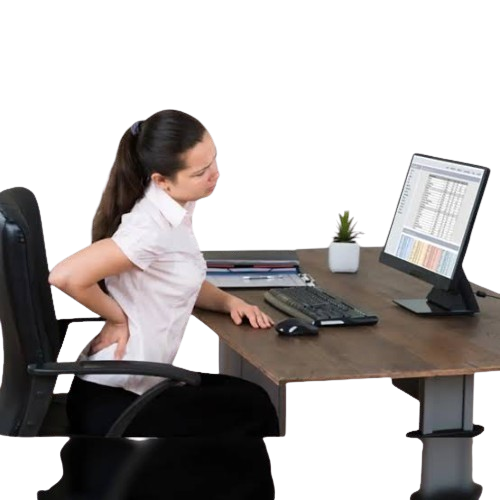

Frequent Laptop & Mobile Phone Use
Forward Head Posture
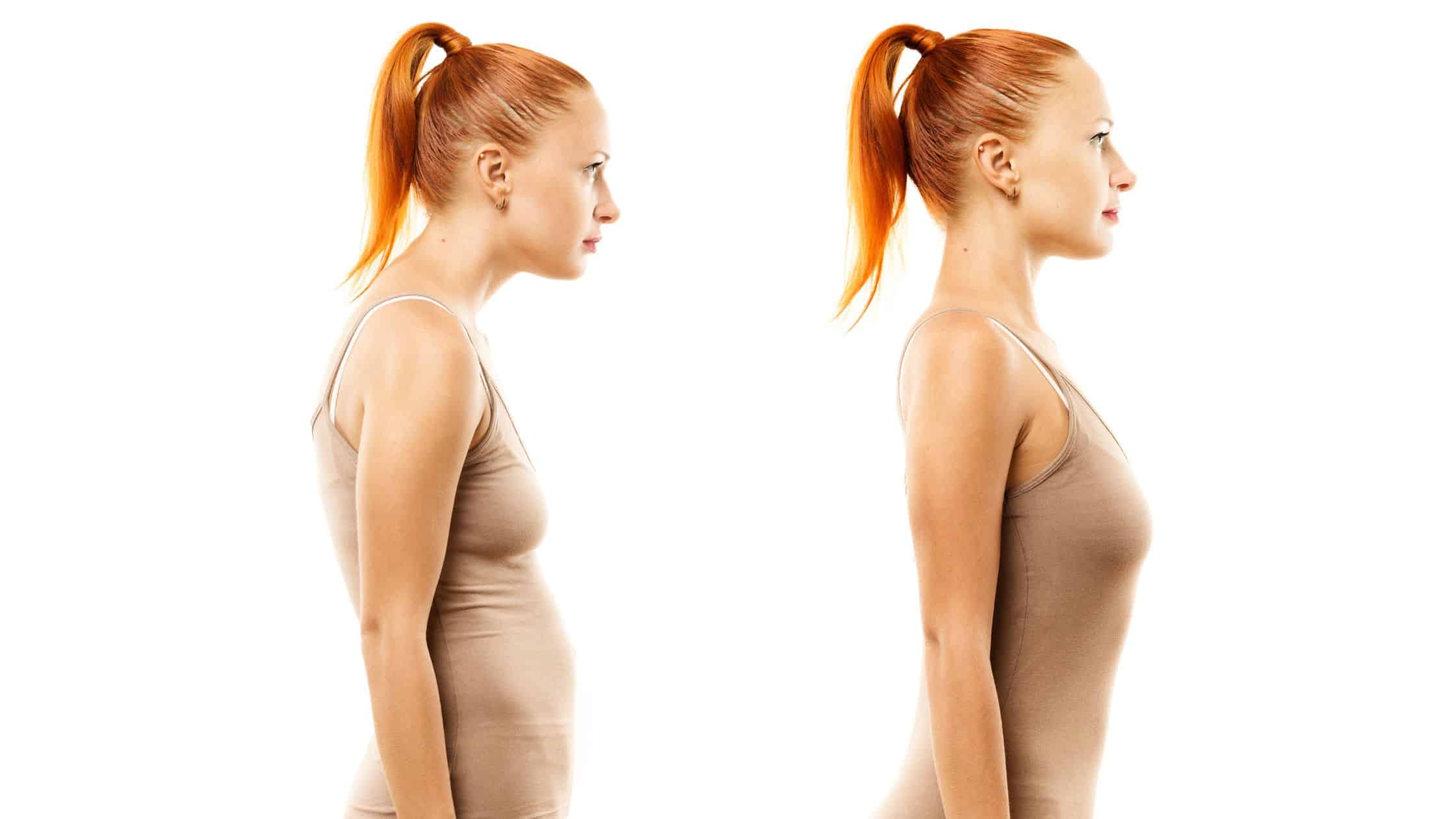
Rounded Shoulders
Stiff Upper Back
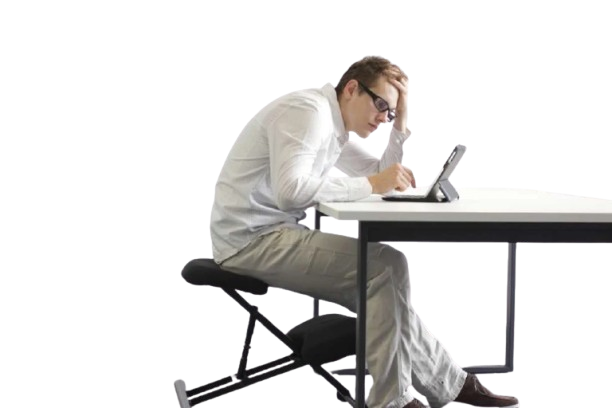
Sedentary Lifestyle
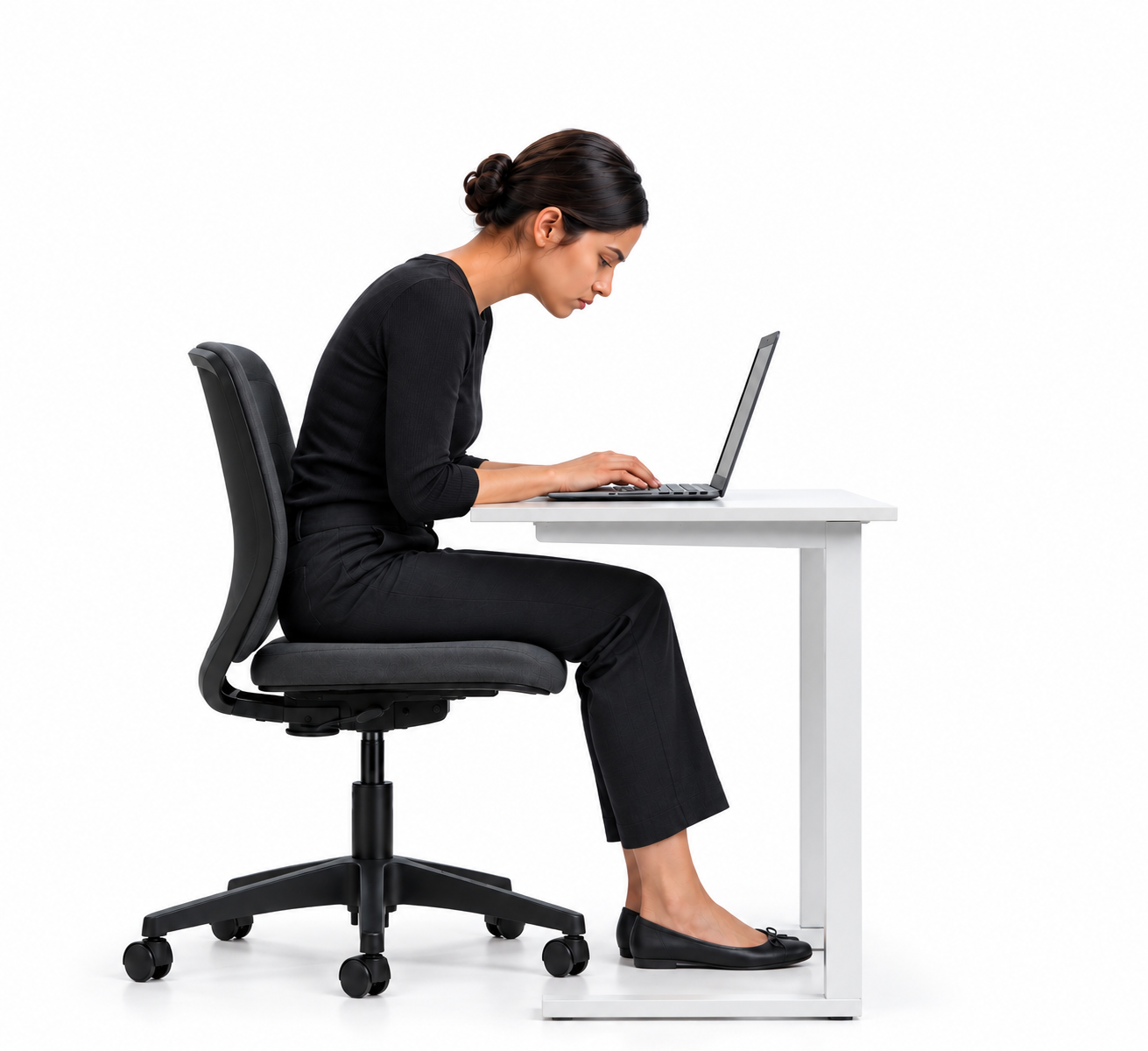
Poor Workstation Ergonomics
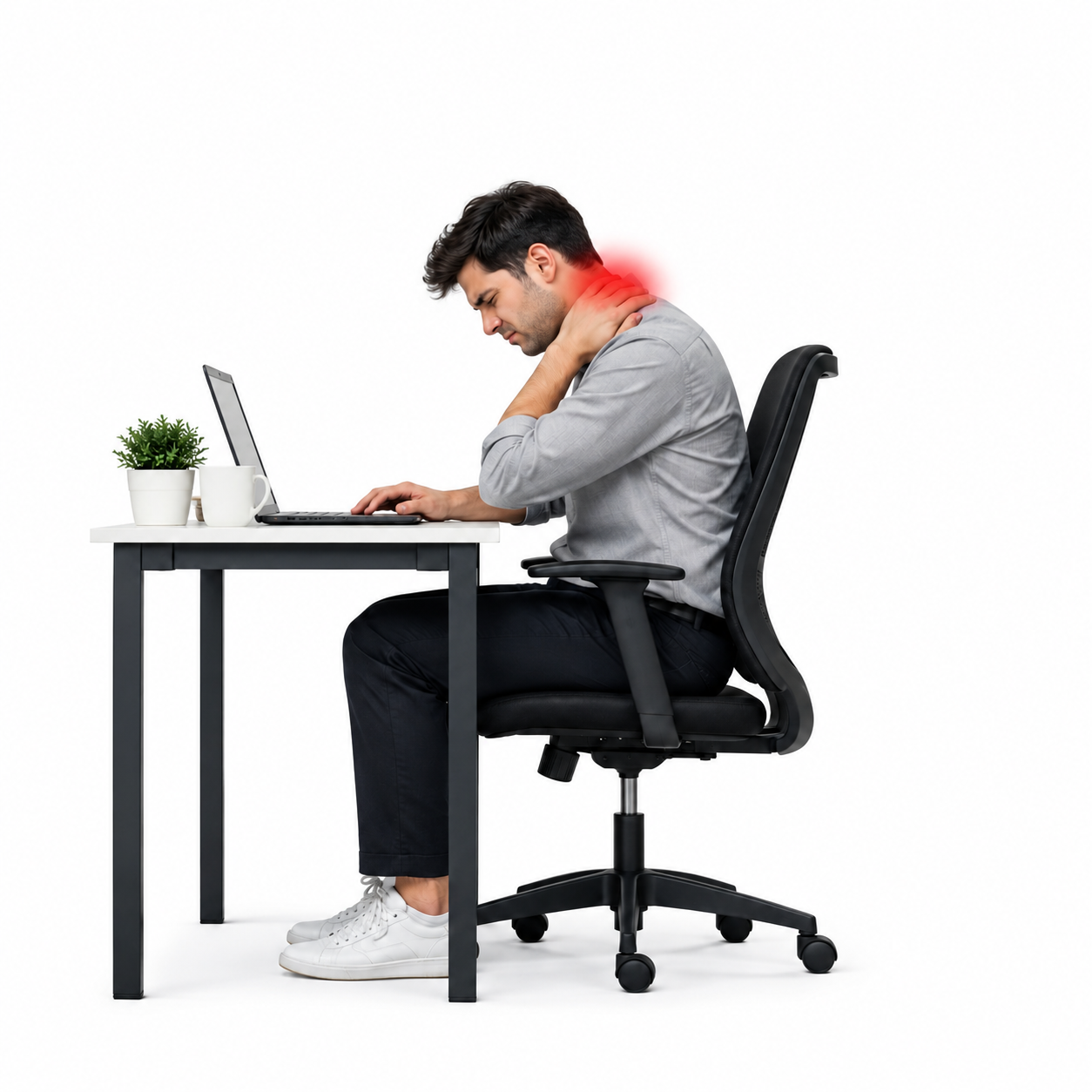
Occupations Requiring Prolonged Static Positions
When Should You Visit Eezalign for Neck Pain?
You’ve Tried Everything...
- Painkillers
- Ignoring poor posture
- Hot or cold packs
- Pain relief gels and sprays
- Home remedies and self-stretches
- Applying pain relief patches
- Changing your pillow or sleeping position.
- Using a neck support or cervical pillow
- Random exercises
But the Pain Keeps Returning!!
This Is Where Eezalign Comes In
At Eezalign, neck pain is never treated as just a painful spot. Our approach begins with understanding the root cause, through a detailed assessment of your posture, movement and overall body alignment.
01
ASSESS
Posture & Alignment
02
ANALYSE
Movement Patterns
03
IDENTIFY
Underlying Contributors
04
ADDRESS
The Root Cause
Because lasting recovery begins when you understand the cause, not just the pain.
EXCELLENTTrustindex verifies that the original source of the review is Google. I had been suffering from pain in both my wrists, and after consultations at Fortis and Max Hospitals, surgery was recommended. I decided to try physiotherapy first, and thanks to the dedicated team working under Dr. Isha Sahdev especially Dr. Gayatri Rao, who closely managed my sessions—I experienced remarkable improvement. The care, attention, and professionalism shown throughout my treatment were outstanding. After about 30 physiotherapy sessions, my pain has significantly reduced, and I now feel more than 80% recovered. In fact, I’ve completely dropped the idea of surgery. My body alignment and posture have also improved noticeably, and I’m very happy with the progress. I’m truly grateful to Dr. Gayatri Rao and the entire team for their support throughout my recovery journey. I highly recommend them to anyone seeking effective physiotherapy and long-term recovery support. Eez Align therapists are professional, knowledgeable, and truly cares about their patients. They tailored a treatment plan that really helped my recovery, and their support made each session productive and encouraging. Highly recommended!Posted on GoogleTrustindex verifies that the original source of the review is Google. It took some time but their methods have significantly relieved my shoulder pain. What I really liked is that while there is a focus on addressing the immediate pain, there is a greater focus on identifying and addressing the root cause. Their treatment mix of Chiropractic and Physio has worked well for me. Thank you Shah Rukh, Rajat and Dr. Isha for putting my shoulder onto the path of recovery. And Anjali for your efficiency at the front desk.Posted on GoogleTrustindex verifies that the original source of the review is Google. Steady and gradual improvement over the last 7-8 months.very satisfactory progressPosted on GoogleTrustindex verifies that the original source of the review is Google. Dr Isha has helped me regain confidence by healing chronic ailments. I highly recommend the clinic that supports and maintains hygiene.Posted on GoogleTrustindex verifies that the original source of the review is Google. I came to Eez Align with pain in my legs and lower back and have found their diagnosis and subsequent treatment to be very beneficial.I am under the care of Dr Gayatri who is very capable and patient.The whole team here works as a cohesive whole under the guidance of Dr Isha and Dr Rajat. Their approach is truly holistic,guiding and encouraging you to make lifestyle changes and set long term ,sustainable health goals.I am very grateful to them and highly recommend themPosted on GoogleTrustindex verifies that the original source of the review is Google. Dr. Isha changed my life. I had two cracks in my pelvis girdle, and could not walk at that time. After 3 months, I can walk perfectly now with perfect balance. Our family is thankful to Isha.Posted on GoogleTrustindex verifies that the original source of the review is Google. Excellent understanding of the human body, therapist, Dr.rajat, Dr Isha and Dr Shahrukh, all a wonderful, including a bright smile that I get every time I get hair from Anjali. This is the best spot for your body alignment in Gurgaon.Posted on GoogleTrustindex verifies that the original source of the review is Google. EEZALIGN is nothing less than a unicorn. Among the hundreds of physiotherapy places this one beats the cliche centre's with it unique and truly holistic, and personal approach for individual patients! I tried numerous places internationally in the USA, Ireland and Germany, and locally in Delhi and Gurgaon for over 10 years. Each place took me forward but it was very hard to see the end of the tunnel. EEZALIGN held my hand in my good days and bad days, wiped my tears and kept my faith going. It was a long and tough road but this team did it! I can see and feel the end of this tunnel. The faith in my body and it's power to heal has been restored with their help. They did not give up and did not let me give up. A BIG thank you EEZALIGN.Posted on GoogleTrustindex verifies that the original source of the review is Google. Great experience. Fixed my shoulder pain which was very bad. But the main change in my life was fixing my alignment which was affecting everything else. They fix the issues from the root so that a person can experience an overall better life. Owners are super nice and caring. Recommended!
FAQs
Neck pain often returns in specific conditions when the stress causing it persists. If the underlying cause is not addressed, even treatments for recurring neck pain may only provide temporary relief.
Yes, poor posture can gradually increase stress on the neck, making it one of the most common causes of neck pain and discomfort.
No, it is not important. Sometimes the pain you feel in your neck can also be caused by deep hidden causes such as postural imbalances, movement restrictions, or other factors affecting body alignment.
Prolonged screen time can cause persistent strain on the neck, which is a common reason for neck pain after working on laptops or using screens for long periods.
Not all neck pain is due to structural damage. Factors such as poor posture, muscle tension, and movement-related issues can contribute to symptoms, even when scans appear normal.
Morning neck pain can be caused by sleeping posture, pillow support, or stress that has been building up in the neck over time. For long-term recovery and neck stiffness treatment, understanding the root cause is important.
Yes, constant tension in the neck and shoulder area can lead to headaches, particularly at the base of the skull.
If neck pain keeps returning, affects daily activities, or limits movement, consider seeking physiotherapy for neck pain treatment and a professional assessment.
Many cases of chronic neck pain can be managed without surgery. The most appropriate non-surgical neck pain treatment depends on the cause and severity of the condition.
We focus on understanding the postural and movement-related factors that contribute to your symptoms. Our goal is not just to treat the pain, but to find the root cause behind it.
Yes. If poor posture is contributing to the stress on your neck, posture correction for neck pain may help reduce strain and support long-term recovery.
RELATED TERMS
Neck Pain Treatment in Gurgaon
Chronic Neck Pain
Non-Surgical Neck Pain Treatment
Physiotherapy for Neck Pain
Poor Posture
Posture Correction
Forward Head Posture
Rounded Shoulders
Back Pain
Cervical Disc Treatment
Non-surgery Knee Treatment
Breathing Problems
Migraine Treatment near me
Joint pain Treatment (arthritis)
Female problems
Back pain treatment near me
Poor gut health treatment
physiotherapy near me
Continuous Head Pain
Shoulder Pain Treatment in Gurgaon
Frozen Shoulder Tretament in Gurgaon
Foot Pain
Scoliosis Treatment Near Me
Rotator Cuff Injury Treatment
Knee Teatment without Surgery
Best Physiotherapist In Gurgaon
Pain in Hands while Typing
Elbow Pain Treatment near me
PCOS, PCOD, Menstrual pain
Period pain, Female hygiene