
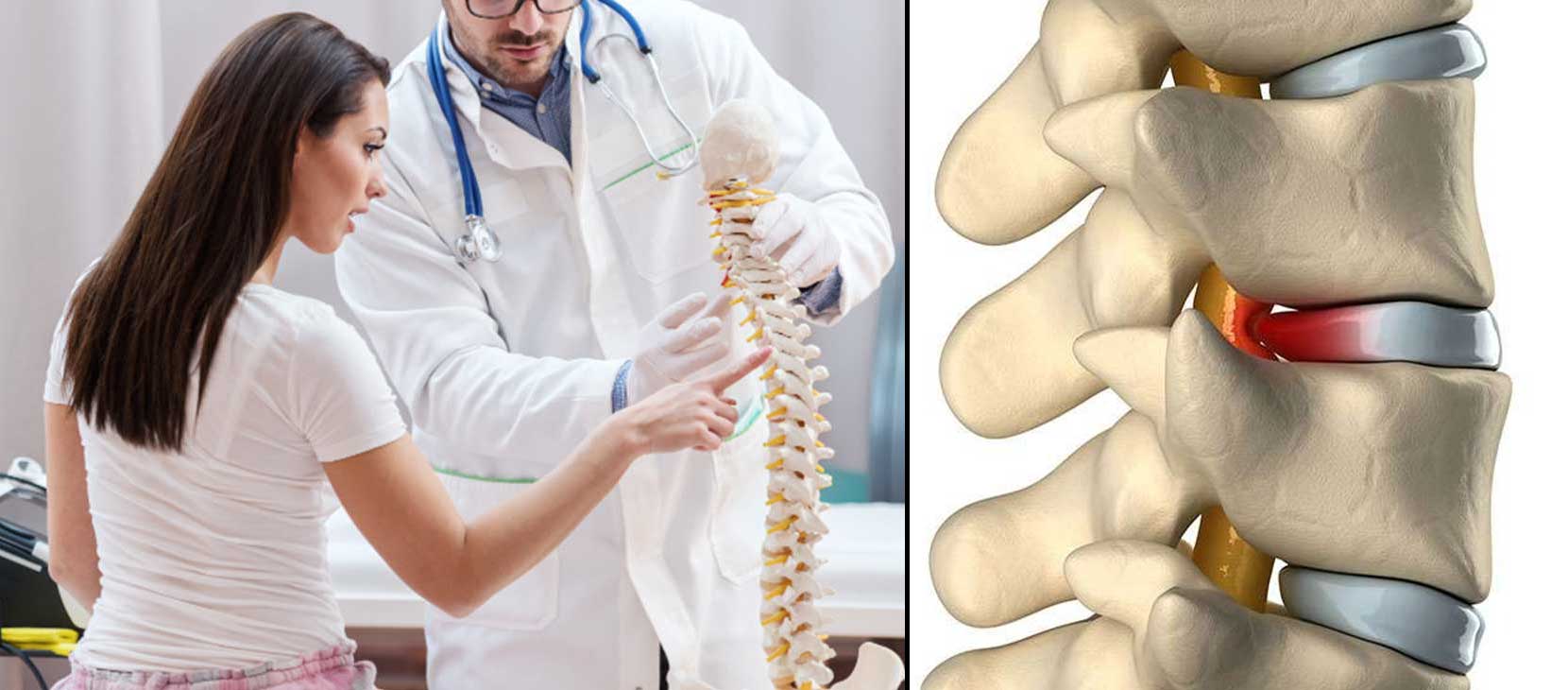
Best Non-Surgical Treatment for Spinal Disc Bulge
A spinal disc bulge is one of the most common reasons people experience back pain, neck pain, or nerve-related discomfort. It can affect daily life, work, sleep, and overall mobility. Many patients feel scared after hearing the word “disc bulge” and immediately think surgery is the only option. In reality, most spinal disc bulge cases can be treated successfully with non-surgical treatment when addressed at the right time.
Non-surgical treatment focuses on reducing pain, relieving nerve pressure, improving spine movement, and supporting natural healing without invasive procedures. This approach is safer, more affordable, and often provides long-term relief when combined with proper care and lifestyle correction.
Understanding Spinal Disc Bulge
A spinal disc bulge happens when the disc between two vertebrae moves slightly out of its normal position. This bulging disc can press on nearby nerves, causing pain and discomfort. Symptoms may include lower back pain, neck pain, pain radiating to the arms or legs, tingling, numbness, stiffness, or muscle weakness. A disc bulge is commonly caused by poor posture, prolonged sitting, improper lifting, weak core muscles, lack of physical activity, or age-related wear and tear.
Ignoring these symptoms or relying only on painkillers can make the condition worse over time. That is why early non-surgical treatment is important.
Why Non-Surgical Treatment Is the Best First Choice
Surgery is usually recommended only in severe cases where there is loss of bowel control, extreme nerve damage, or when conservative treatment fails. For most people, non-surgical treatment offers effective pain relief and recovery without the risks and long recovery time associated with surgery.
Non-surgical care aims to correct the root cause of disc stress, reduce inflammation, and restore proper spine alignment. It allows the body to heal naturally while improving strength and flexibility.
Non-Surgical Treatment Options for Spinal Disc Bulge
One of the most effective non-surgical treatments for spinal disc bulge is spine alignment care. Gentle spinal alignment techniques help reduce abnormal pressure on the disc and nearby nerves. By improving spinal positioning, nerve irritation decreases, and pain gradually reduces.
Physiotherapy is another key part of disc bulge recovery. A structured physiotherapy program focuses on strengthening core muscles, improving flexibility, and increasing spinal stability. Strong muscles support the spine better and reduce stress on the discs, helping prevent future flare-ups.
Posture correction plays a major role in recovery. Poor sitting posture, long screen time, and incorrect sleeping positions are common contributors to disc bulge pain. Learning correct posture and daily movement habits helps protect the spine and speeds up healing.
Lifestyle modification is also essential. Simple changes such as regular movement, avoiding prolonged sitting, proper lifting techniques, and maintaining a healthy weight can significantly reduce disc pressure and pain.
Pain management in non-surgical treatment does not mean masking pain with medicines. Instead, the focus is on reducing inflammation, improving circulation, and restoring normal nerve function so that pain relief is long-lasting.
How Long Does Non-Surgical Recovery Take?
Recovery time depends on the severity of the disc bulge, age, activity level, and how early treatment begins. Many patients start noticing improvement within a few weeks, while others may take a few months to recover fully. Consistency with treatment and lifestyle changes plays a major role in recovery speed.
When Should You Seek Professional Help?
You should consult a spine specialist if you experience ongoing back or neck pain, pain radiating to the arms or legs, numbness, tingling, or difficulty performing daily activities. Early diagnosis and non-surgical care can prevent the condition from worsening and reduce the need for surgery.
Final Thoughts
A spinal disc bulge does not automatically mean surgery or lifelong pain. With the right non-surgical treatment approach, most people can recover, return to normal activities, and live pain-free. Proper spine care, physiotherapy, posture correction, and lifestyle changes together form the best non-surgical treatment for spinal disc bulge.
Choosing early, conservative care not only relieves pain but also protects long-term spine health.
Frequently Asked Questions FAQs
Yes, most cases of spinal disc bulge can be treated without surgery. Non-surgical treatment, such as physiotherapy, spine alignment care, posture correction, and lifestyle changes, often provides significant pain relief and helps the disc heal naturally.
Recovery time depends on the severity of the disc bulge and the timing of treatment. Many people notice improvement within a few weeks, while others may need a few months of consistent care. Following the treatment plan and posture advice is key to faster recovery.
Yes, physiotherapy is safe and highly effective when done under professional guidance. It helps strengthen core muscles, improve flexibility, and reduce pressure on the disc, which supports long-term recovery.
A disc bulge can improve and become symptom-free with proper non-surgical care and lifestyle changes. While the disc may not always return to its original shape, pain and nerve irritation can be reduced significantly, allowing for normal daily activities.
Activities such as heavy lifting, sudden bending or twisting, prolonged sitting, and poor posture should be avoided during recovery. Your spine specialist or physiotherapist can guide you on safe movements.
Surgery is usually considered only in severe cases, such as loss of bladder or bowel control, progressive muscle weakness, or when non-surgical treatment fails to provide relief over time. Most patients do not require surgery.
Yes, disc bulge pain can return if posture, exercise, and lifestyle habits are not maintained. Regular strengthening, correct posture, and staying active help prevent recurrence.