Why Physiotherapy Strengthening
Matters Even After Your Pain Improves
The pain is finally gone.
You can walk, work, sleep, and move without thinking about it anymore.
And you think, “I’m better now. I don’t need physiotherapy anymore!”
This is exactly where many people stop their treatment, and this is the worst mistake they make. The exercises are left behind, follow-ups are skipped, and everything feels normal… until the day pain slowly starts coming back.
Does feeling better mean your body is fully recovered?
The answer is…. No!
You may feel relief from the pain for a few days or weeks, but there is a high risk that the real problem is still present. And if this is ignored, the pain can keep on returning again and again.
So, what should happen after the pain improves?
Should physiotherapy stop, or is this actually the stage when strengthening matters most?
Read this blog to understand the needs of your body after the pain is gone and why stopping too early could turn into a big mistake
Pain Is a Signal, Not the Whole Story
When you feel pain, the first thing which comes to mind is, “This is where the problem is.” But is it really that simple?
No, the location of pain doesn’t have to hold the real root cause of your pain.
The pain is just the body’s way of asking for attention. It is a warning sign. But it doesn’t tell you why the pain started or where the underlying problem lies.
For example, back pain can have many causes, such as mobility restrictions or changes in movement. Similarly, knee pain can be due to a problem in the hip, ankle, or surrounding muscles.
If you suffer from chronic pain, this can impact your body slowly and gradually.
For example, a person may change how they walk, sit, stand, or move without realising it to avoid pain. These changes in movement can eventually contribute to the problem.
To manage pain effectively, you need to do more than just focus on the place where you hurt.
A detailed strategy should include the following key elements:
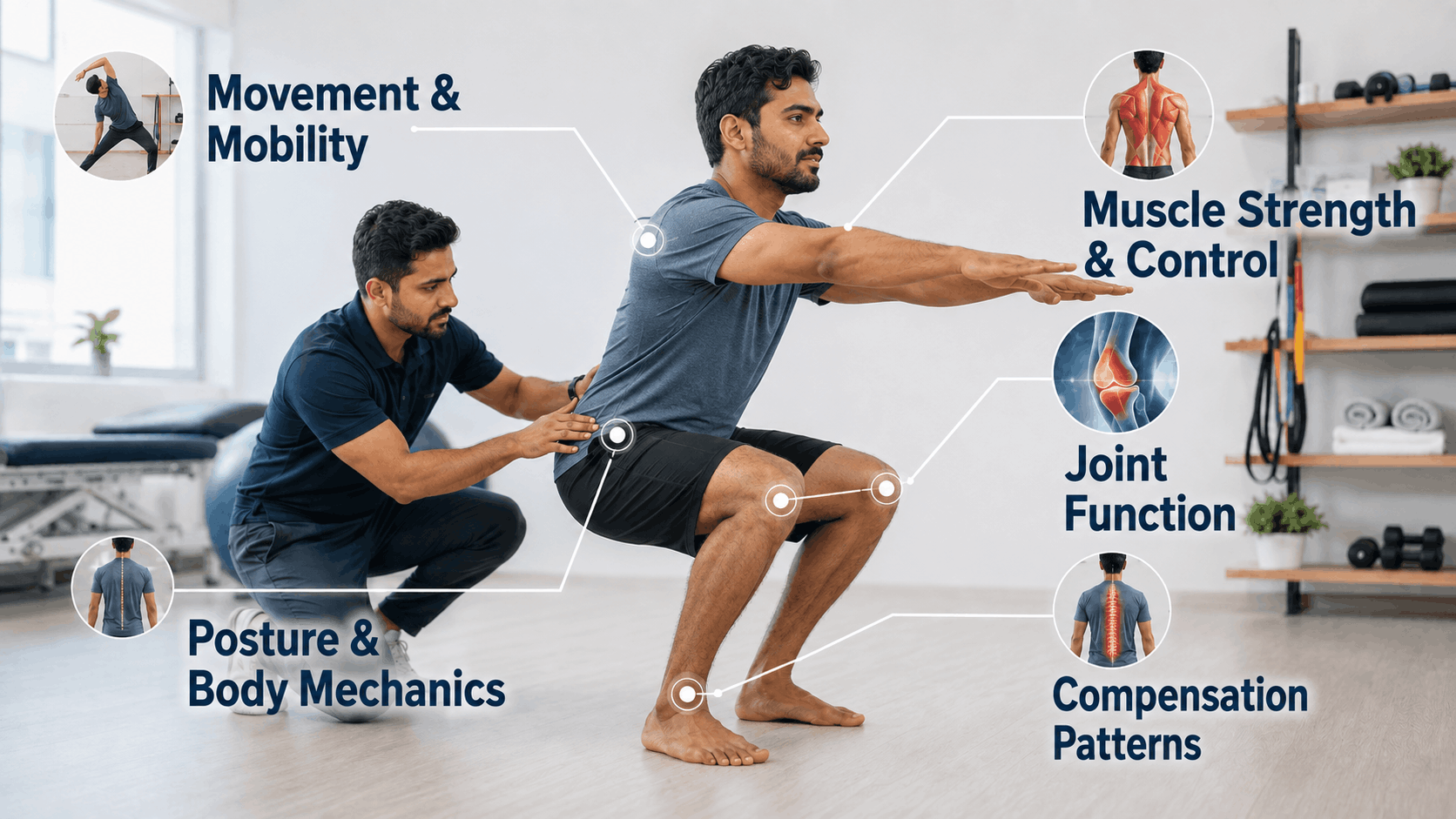
It is interesting to note that the same kind of pain can have different causes in different people. By understanding these unique factors, we can better tailor physiotherapy to suit individual needs and support lasting recovery.
Remember that when you feel the pain is where you feel the problem but it may not be where the problem actually starts.
So, What Actually Decides Your Physiotherapy Treatment?
“What exercise should I do for my pain?” is often the first question people ask.
But instead, the better question is: “What does my body actually need?”
Yes, physiotherapy treatment should not be chosen solely based on the diagnosis or the location of the pain. Before deciding on a treatment plan, a physiotherapist may assess:
- Strength: Which muscles might be weak, and which are overworked?
- Mobility: Are certain joints restricting normal movement?
- Muscle function: Are muscles working together as they should?
- Movement patterns: Have you adopted any abnormal movement styles?
- Balance and coordination: Can you control your movements effectively?
- Activity demands: What does your body need for daily activities?
- Previous injuries: Could an old injury still be affecting you?
- Load tolerance: How well can your body handle stress?
The Same Pain Doesn’t Always Need the Same Treatment
Two people can have the same diagnosis, for different problems like back pain, knee pain, or heel discomfort, but still can have different reasons for the same problem.
That’s why searching for the “best exercise for back pain” or the “best pain treatment” may not provide the same result for everyone.
EEZALIGN focuses on assessment before treatment, looking beyond symptoms to understand contributing factors and support root-cause recovery. Depending on the individual, this may involve physiotherapy, chiropractic care, osteopathy, mobility work, strengthening, or a combination of approaches.
Because meaningful long-term relief starts with understanding the person—not just the pain.
Why Does Physiotherapy Strengthening Continue After Pain Improves?
Pain relief and physical recovery are not always the same. After the pain goes away, the body may feel like it has returned to normal; however, feeling no pain doesn’t guarantee that the body has regained the strength, endurance, and capacity needed for daily activities.
This is where physiotherapy strengthening becomes crucial for the person.
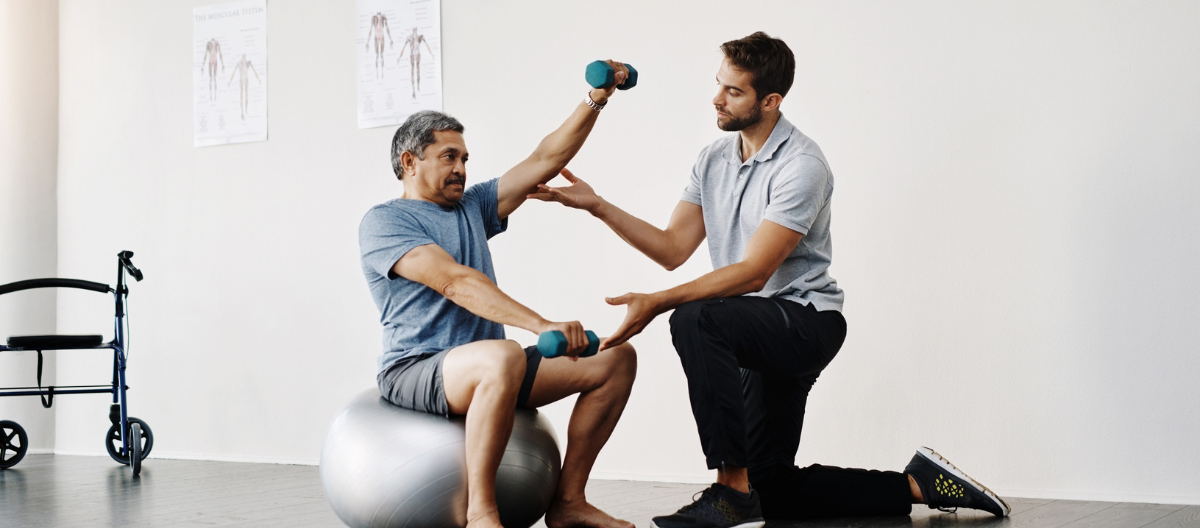
Strengthening exercises are especially meant to improve the body’s ability to generate force, control movement, and withstand load. It trains muscles and joints to work together effectively under greater demands, rather than only during easy and comfortable movements.
Strengthening your body can boost your potential and transform your everyday life. It provides the following benefits:
Improved Strength to effortlessly tackle daily tasks
Enhanced Endurance so that you can keep going without feeling worn out
Improved Joint Stability for confident movement
Excellent Movement Control to make every action more efficient
Increased Load Tolerance to handle greater physical demands
Elevated Functional Capacity so that you can do more without feeling stressed
From Feeling Better to Being Ready—How Do You Know You're Actually Recovered?
Feeling better is encouraging—but being ready for life is the real goal of rehabilitation.
Recovery often progresses through:
Pain reduction → Movement → Strength → Endurance → Functional loading → Return to activity
As your body adapts, an exercise that once felt difficult may become easy. That doesn’t always mean you should stop. It may mean your rehabilitation is ready to progress to greater resistance, more repetitions, improved control, or functional movement.
Myth: “No pain means I’m fully recovered.”
Fact: You may still need to rebuild the capacity required for work, sport, or daily activities.
So, what is the best exercise for back pain or heel pain? There isn’t one answer for everyone. It depends on your mobility, strength, movement, and goals.
Stopping too early can sometimes mean returning to demanding activities before your body is ready, increasing the chance of flare-ups or compensatory movement.
Whether your recovery involves physiotherapy, chiropractic care, or osteopathy, the question is simple:
Can your body confidently handle what you need it to do?
That is where meaningful long-term pain relief becomes real recovery.
Don't Just Ask, “Is My Pain Gone?” Ask This Instead.
So, once you finish your physiotherapy, don’t just focus on, “Is my pain gone?”
Ask yourself:
Can I move freely? Is my body now able to handle normal daily loads? Can I maintain my strength and control? Can I return to the activities I enjoy without constantly worrying about pain?
These questions tell you much more about recovery than pain alone.
So, whether you are recovering from back pain, knee pain, or any other type of chronic pain, physiotherapy should not be seen as something that ends the moment you feel better. EEZALIGN aims to help patients regain their natural ability to move, function, and meet everyday demands. The goal extends beyond just providing temporary relief. It aims for long-term pain relief and sustainable recovery.
Experiencing pain relief indicates that something has changed. However, true recovery means your body is ready to perform its necessary functions once again.
Frequently Asked Questions
Not necessarily. Feeling better is a great sign, but your strength, mobility, endurance, and movement control may still need work.
Yes. Pain relief can come before your body has regained the capacity to handle work, exercise, sports, or everyday physical demands.
Strengthening is not only about pain. It helps rebuild strength, control, endurance, and load tolerance for everyday life.
You may return to normal activities before your body is ready, which can sometimes lead to flare-ups, reduced confidence, or compensatory movement.
Pain medicines may help manage symptoms, but they do not replace mobility work, strengthening and movement rehabilitation when needed.
No. The right exercise depends on your strength, mobility, movement pattern, condition and goals.
Feeling fine is encouraging, but ask yourself: Can my body handle the activities I want to return to without pain, weakness, or difficulty?
Yes. You may manage your routine but still lack the capacity for long hours, lifting, running, gym workouts, or other demanding activities.
At EEZAlign, the focus goes beyond simply reducing pain, with rehabilitation tailored around your movement, strength, mobility and long-term functional needs.
Look for a physio clinic that understands your body as a whole and focuses on assessment, rehabilitation, and the reasons behind your pain—not just temporary relief.