

Plantar Fasciitis Treatment:
How can you get relief from heel pain?
Patient: Doctor, my heel hurts a lot when I get up in the morning, and it’s been going on for two or three months. I’ve tried exercises and ointments, but nothing seems to help.
Doctor: Does it hurt the most in the morning?
Patient: Yes, exactly.
Doctor: It sounds like you may have plantar fasciitis.
Patient: Plantar fasciitis? What is that?
Plantar fasciitis is a common cause of heel pain. The pain is often severest during the first few steps after waking up or after sitting for a while. It happens when the plantar fascia, the strong band of tissue that supports the bottom of your foot, becomes irritated and overloaded.
But why does it happen? And why does the pain keep coming back for some people? What if your heel pain is telling you more than you think? Let’s understand what is really behind it and what can actually help.
What is Plantar Fasciitis and why does your heel hurt?
So, what exactly is happening inside your foot?
Think of the plantar fascia as a strong, supportive connective tissue running along the bottom of your foot. This tissue helps in supporting your foot and absorbing the stress created every time while you walk, stand, run, or climb stairs.
But when that tissue is repeatedly overloaded, it can become painful and sensitive.
Why does plantar fasciitis happen?
There is not any one single reason for plantar fasciitis. Heel pain can develop when several factors come together, such as:
- Repeated stress on the foot
- Sudden increase in walking, running, or exercise
- Limited ankle movement
- Tight calf muscles
- Changes in foot mechanics
- Standing for long periods
And this is where people often get confused.
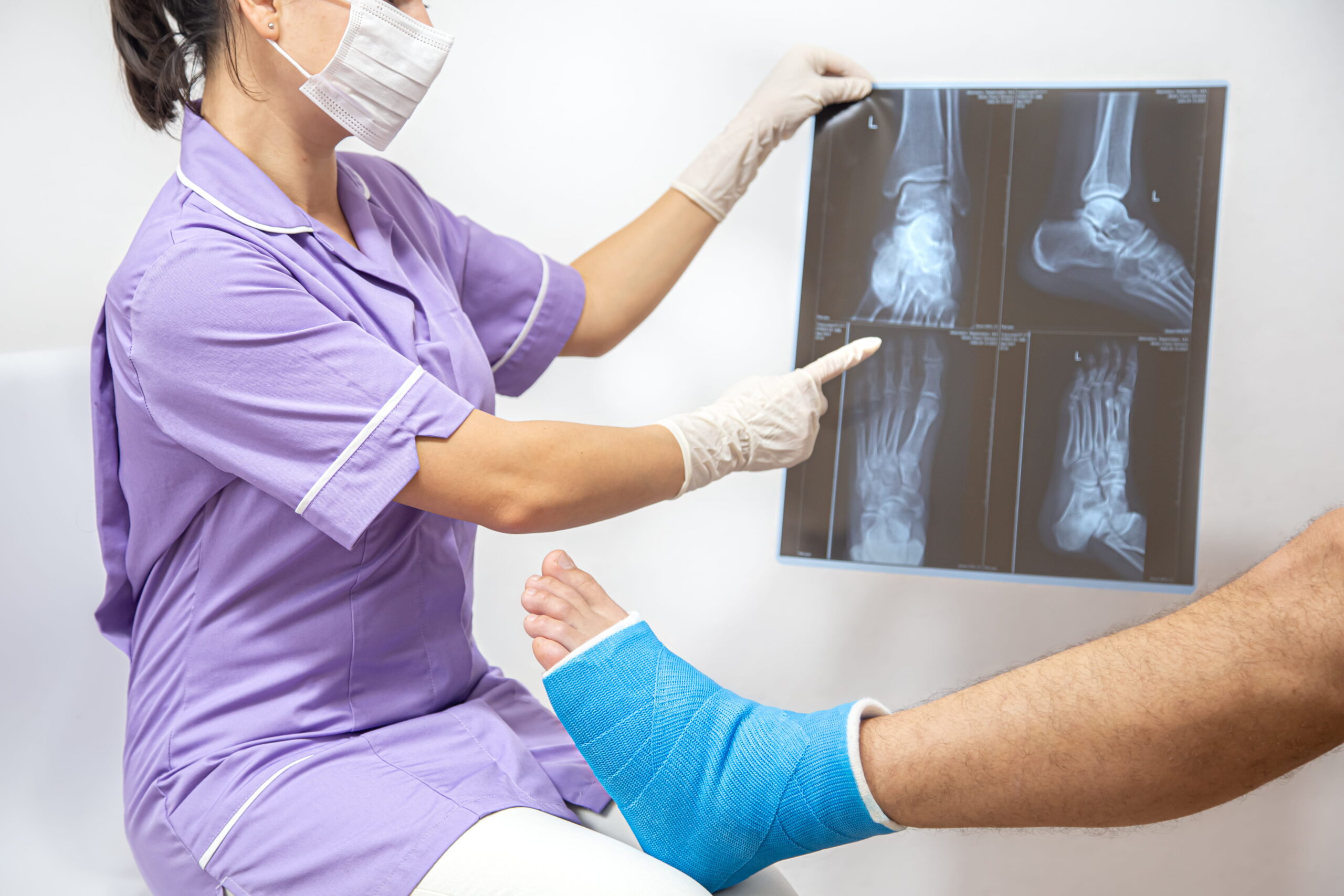
“If the plantar fascia is painful, why doesn’t treating only the painful area always solve the problem?”
The fascia is part of a moving system. The way your ankle, calf, foot, and body handle load can influence how much stress reaches the heel. That is why persistent foot pain deserves more than a quick fix.
If your heel pain has become chronic pain, the real goal of plantar fasciitis treatment should be to understand what is repeatedly stressing the area—and help your body handle that load better.
Relief matters - But long-term relief begins with understanding.
The Hidden Connection:
Could Your Calf and Ankle Be Behind Your Heel Pain?
When dealing with plantar fasciitis, most people focus on the pain under their heel. However, the heel may only be the point where stress shows up, not where it actually begins.
Can tight calf muscles contribute to plantar fasciitis?
Yes, the calf muscles and ankle play a vital role in how your foot handles daily activities. Tight calf muscles can contribute to plantar fasciitis. When the calves lack flexibility, it limits ankle movement, especially when walking. Limited ankle dorsiflexion is linked to this condition.
Many people overlook an important thing: when the ankle cannot move effectively, the foot has to adjust to keep you moving. Over time, this adjustment can place extra stress on the tissues around the heel. To treat plantar fasciitis effectively, it’s essential to look beyond just the painful fascia.
Consider the following:
• Calf flexibility
• Ankle mobility
• Foot mechanics
• Walking & weight distribution
This broader perspective is especially important if heel or foot pain keeps returning despite temporary relief. Simply treating the painful area might not be enough.
Instead of only asking, “How can we relieve the pain?” it’s crucial to ask, “Why does this area keep getting overloaded?”
This shift in mindset can significantly help in finding lasting relief.
Plantar Fasciitis Treatment: Relief or Root-Cause Recovery?
When your heel hurts, the first thing you want is relief from that sharp burning pain in your heel.
But what if your morning heel pain keeps you trapped in an on-and-off cycle?
That is when it becomes important to look beyond the painful spot.
And effective plantar fasciitis treatment should not only focus on reducing plantar fascia pain. It should also look at what may be repeatedly putting stress on the foot.
What can Plantar Fasciitis Treatment involve?
Depending on the individual, treatment options for plantar fasciitis may include:
- Exercises and stretches specifically for plantar fasciitis
- Improvements in ankle mobility and calf flexibility
- Strengthening the muscles that support the foot
- Addressing walking and movement patterns
- Utilising manual therapy when appropriate
- Providing guidance on supportive footwear, orthotics, or activity modifications
These methods can help relieve heel pain, but there is no single treatment that works the same way for everyone.

So, what makes EEZalign different?
At EEZAlign, we do not view plantar fasciitis as just an issue with the plantar fascia. Our approach integrates physiotherapy, chiropractic care, and osteopathy, tailored to what the body specifically needs.
Rather than simply addressing heel pain, the focus is on understanding the underlying issues that may be perpetuating the problem—even if it has become chronic pain.
Our goal is not just to provide temporary relief. We aim for long-term relief from heel pain and improved recovery.
When a problem keeps returning, the important question shifts from:
“How do we reduce the pain?”
to:
“Why does the heel keep getting overloaded?”
Plantar Fasciitis: Myths & Facts
There are many misconceptions regarding heel pain and plantar fasciitis. Let’s quickly separate what sounds right from what actually helps with recovery.
| Myth | Fact |
|---|---|
| Plantar fasciitis only needs heel treatment. | Pain can be felt in the heel, but the way the foot, ankle and calf work together can largely determine how much stress reaches the plantar fascia. |
| If the pain is gone, plantar fasciitis is cured. | Pain can settle before the factors causing it have changed. If the same stress continues, heel pain can return, especially in chronic pain cases. |
| Rest is enough to treat plantar fasciitis. | Rest can provide relief from the irritated tissues, but for long-term recovery, it is important to improve the strength, mobility, and the foot's ability to handle everyday load. |
| Everyone needs the same plantar fasciitis treatment. | No, this is not true! Especially the plantar fasciitis treatment in Gurgaon is solely guided by a detailed assessment of the patient. Depending on the case, physiotherapy, chiropractic care, osteopathy, exercises, or manual therapy may be considered. |
| More stretching is always better. | Not necessarily. The right exercise is determined by examining the root cause of the problem. More stretching is not good for everyone, and sometimes the focus needs to be on strength, movement, or load management instead. |
When should you get Plantar Fasciitis Treatment?
Experiencing slight heel discomfort after a long day is common and may resolve on its own. However, if the same pain keeps returning, it might be time to seek help rather than waiting for it to go away.
Consider getting assessed if:
- Morning heel pain is disrupting your daily routine.
- Your heel or foot pain starts to interfere with walking, exercise, work, or daily activities.
- Symptoms persist for several weeks despite rest, exercises, or home remedies.
- Pain temporarily improves but then returns.
- What began as occasional discomfort is evolving into chronic pain.
Why you should not ignore Persistent Pain
Ignoring persistent pain, such as that caused by plantar fasciitis, can lead to significant issues. When left untreated, ongoing pain may alter your walking pattern. Over time, this change can place additional stress on other areas of your body, such as your ankles, knees, hips, or lower back, potentially resulting in further discomfort and mobility issues.
It’s important to ask yourself a critical question:
“Is my heel simply hurting, or is there an underlying issue that continues to cause stress?”
If you are experiencing heel pain or suspect plantar fasciitis, seeking treatment in Gurgaon or visiting a physiotherapy clinic can be beneficial. A timely assessment can help identify the root causes of your pain and guide you toward effective treatment.
Don’t let heel pain become your new normal. Address it early, treat it properly, and aim for long-term recovery.
Questions You Ask:
The most effective treatment hinges on the underlying cause and typically involves physiotherapy, targeted exercises for plantar fasciitis, mobility work, manual therapy, and proper load management for long-lasting relief from heel pain.
You can achieve significant relief at home by incorporating gentle plantar fascia and calf stretches, applying ice, wearing supportive footwear, adjusting your activity level, and doing appropriate foot exercises.
The best exercises include calf stretches, plantar fascia stretches, foot-strengthening exercises, and ankle mobility exercises. These should be tailored to fit individual symptoms and movement limitations for optimal results.
If heel pain returns frequently, it suggests that the underlying factors stressing the plantar fascia haven’t been fully resolved. Targeting these root causes is crucial for lasting relief.
Physiotherapy can significantly enhance pain levels, strength, mobility, and overall movement patterns, ensuring a robust framework for long-term recovery rather than just providing temporary relief.
While pain-relieving medications can offer temporary relief, they do not address the root causes of recurring plantar fascia pain, which requires a comprehensive approach for effective management.
Walking can be beneficial, but excessive or improper loading can exacerbate heel and foot pain. It's essential to adjust your activity level based on your symptoms to avoid worsening.
If you experience persistent morning heel pain, chronic foot pain, or recurring issues that disrupt your daily activities, consulting a physiotherapist can help identify and address underlying factors effectively.
When searching for a physiotherapist or clinic in your area, prioritise professionals who take a comprehensive approach by assessing the foot, ankle, calf, mobility, strength, and movement patterns—not just the painful heel.
Most cases of plantar fasciitis can be effectively managed with conservative methods, including physiotherapy, exercises, manual therapy, footwear modifications, and activity management, tailored to individual needs.