
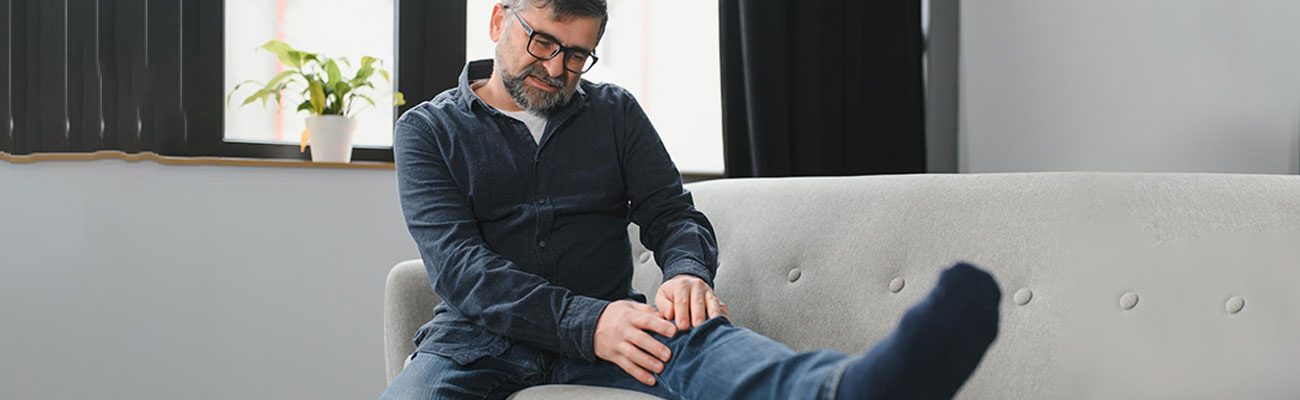
Top 5 Mistakes People Make When Treating Knee Pain at Home
Knee pain has become extremely common today—not just in older adults but also in young professionals, gym-goers, and people with long sitting or standing hours.
Because of busy schedules, most people try to manage knee pain at home. But small mistakes in home care can actually worsen the condition, delay healing, or even push you towards unnecessary procedures
Based on the patterns physiotherapists and alignment specialists observe daily (including the kind of cases that often come to advanced posture–alignment clinics like EezAlign), here are the five biggest mistakes you should avoid when managing knee pain at home
1. Ignoring the Root Cause and Only Treating the Pain
Most people apply balms, take painkillers, or use hot water bags.
Yes, these give temporary relief, but they do nothing for the root cause.
Common hidden reasons for knee pain include:
Weak hip muscles
Incorrect foot posture (flat feet or overpronation)
Tight quadriceps or hamstrings
Misalignment in the spine or pelvis
Poor walking or standing posture
This is exactly why clinics that focus on posture correction and alignment-based therapy (like EezAlign does) see such quick improvement—because they treat the source, not just the symptom.
Takeaway: Never guess. Get a proper assessment so the real cause can be fixed.
2. Doing Random YouTube Exercises Without Expert Guidance
This is one of the most common mistakes.
Every knee pain case is different:
Some need strengthening
Some need stretching
Some need alignment correction
Some need load modification
Some need gait (walking style) correction
But YouTube gives generic exercises, not personalised care.
Even a good exercise can become harmful if:
You are doing the wrong movement for your condition
Your form/posture is incorrect
You progress too fast
Experts in knee biomechanics and alignment (the type of professionals available at centres like EezAlign) first assess your muscle balance, posture, and joint mobility and then provide the right exercise plan.
Takeaway: Don’t copy exercises—follow only expert-prescribed movements.
3. Over-Resting the Knee and Avoiding All Movement
Many people think, “If it hurts, don’t move at all.”
But complete rest often makes the knee stiffer and weaker, leading to more pain.
The key is controlled, correct movement, not inactivity.
Therapy teams that specialise in alignment restoration always use active rehab, because the right movement improves:
Joint lubrication
Muscle strength
Blood circulation
Stability around the knee
Takeaway: Rest is important, but too much rest slows your recovery.
4. Using Hot Packs at the Wrong Time
Heat is soothing, but it’s not always the right choice.
Use cold therapy if:
Pain increases after activity
There is swelling
The knee feels warm or inflamed
Use heat if:
The muscles around the knee feel tight or stiff
You’re warming up before stretching
At advanced physiotherapy and alignment centres, heat or cold therapy is given based on the precise stage of your condition, not guesswork.
Takeaway: Don’t apply heat blindly—choose based on your symptoms.
5. Not Correcting Posture and Alignment Issues
This is the 1 long-term cause most people ignore.
Your knee is affected by the posture of your:
Feet
Hips
Pelvis
Spine
Even the way you stand, walk, or sit can overload your knees.
Alignment specialists (like the team at EezAlign) often find that knee pain disappears once the body’s posture and movement patterns are corrected—because the knee stops compensating for other parts of the body.
Takeaway: Strengthening alone is not enough—correct your alignment.
Final Thoughts
Knee pain rarely improves with shortcuts.
If you fix the root cause, correct your posture, and follow guided exercises, recovery becomes faster, safer, and long-lasting.
If your knee pain has been persistent for weeks or keeps returning, it’s worth getting a professional posture & alignment assessment from experts who understand biomechanics deeply.
A few personalised corrections can make a huge difference.