
What Is Avascular Necrosis (AVN)?
Avascular Necrosis (AVN), also called osteonecrosis, is a condition in which a part of the bone starts dying because it does not receive enough blood supply.
To understand AVN properly, it is important to first understand how bones stay healthy.
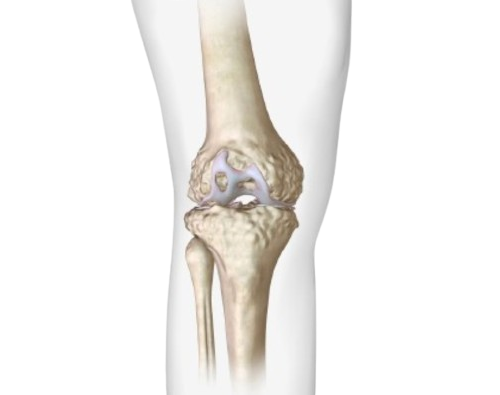
How Healthy Bones Work
- Oxygen
- Nutrients
- Blood flow
- Stay strong
- Repair daily wear and tear
- Handle body weight and movement
- Avascular = without blood
- Necrosis = tissue death
What Exactly Happens in AVN?
Which Joints Are Commonly Affected by AVN?
AVN can affect any bone, but it most commonly affects weight-bearing joints, especially:
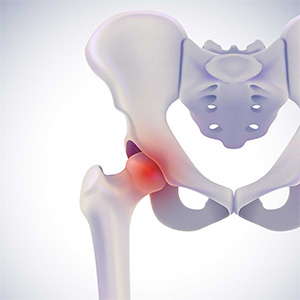
Hip joint
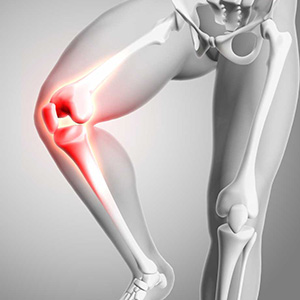
Knee
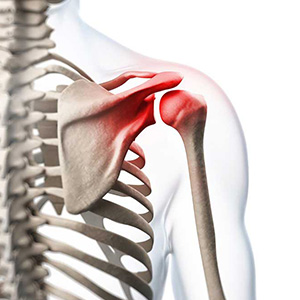
Shoulder
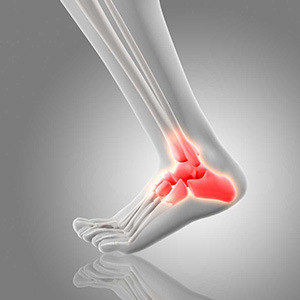
Ankle
Among these, hip AVN is the most serious because it carries body weight during standing, walking, and sitting.
Why AVN Is a Serious Condition
AVN is dangerous because:
- Damage starts inside the bone
- Early stages often have little or no pain
- Once the bone collapses, damage is irreversible
- Late-stage AVN often leads to joint replacement
Early understanding = more treatment options
Late diagnosis = limited options

Why AVN Pain Often Appears Late
Many patients ask:
“If the bone is dying, why didn’t I feel pain earlier?”
The reason is:
- Bone damage starts internally
- Nerves are not affected initially
- Pain appears only when:
- Bone weakens significantly
- Microfractures increase
- Joint surface starts collapsing
By the time pain becomes constant or severe, AVN may already be advanced.
Common Causes of Avascular Necrosis (AVN)
AVN can develop due to several reasons:
Steroid Use
- Long-term or high-dose steroid medications
- Steroids affect blood supply to bone
Alcohol Consumption
- Excess alcohol affects fat metabolism
- Fat deposits block small blood vessels in bone
Trauma or Injury
- Fractures or dislocations
- Blood vessels supplying the bone get damaged
Medical Conditions
- Certain blood or metabolic disorders
- Autoimmune conditions
Idiopathic AVN
- No identifiable cause
- Common in young adults
Why AVN Is Increasing in Younger People
Many AVN patients today are between 25–50 years old.
Reasons include:
- Increased steroid use
- Lifestyle factors
- Delayed diagnosis
- Ignoring early hip or joint pain
Young patients often feel shocked when advised major surgery at an early age.
Why AVN Is Often Missed in Early Stages
AVN is frequently missed because:
- Early pain is mild or intermittent
- Symptoms resemble muscle or back pain
- Initial X-rays may appear normal
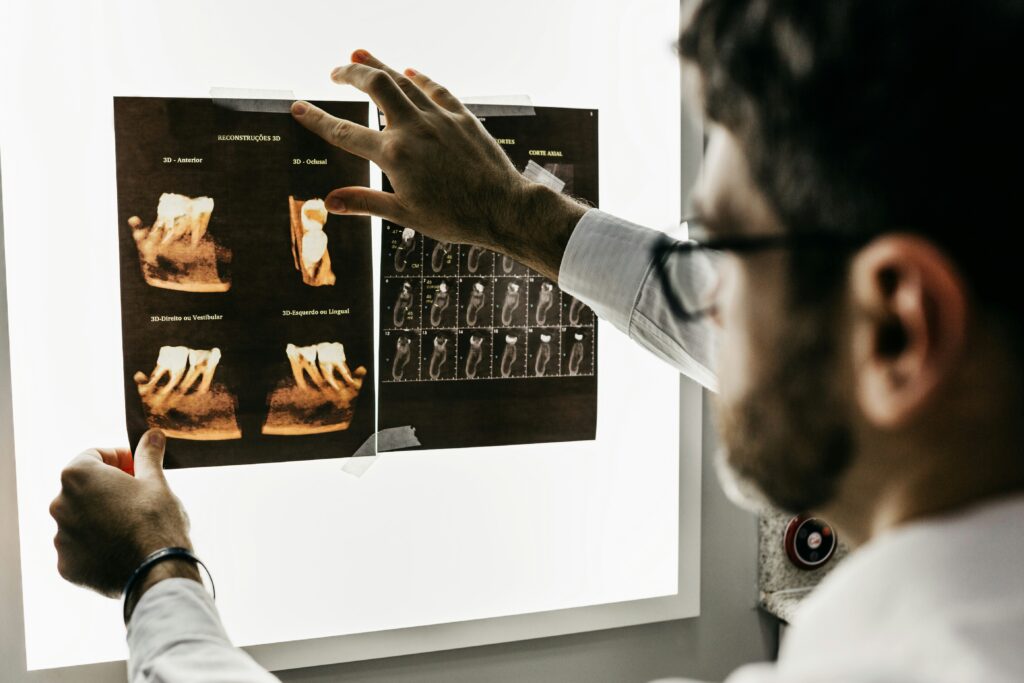
MRI is the most accurate test to detect AVN early.
Understanding the Stages of AVN (Simple Language)
AVN Stage | What Is Happening Inside the Bone |
Early Stage | Blood supply reduced, bone shape normal |
Mid Stage | Bone weakens, swelling inside bone |
Advanced Stage | Bone collapses, joint surface damaged |
Earlier stage = better chance to protect the bone
Why AVN Keeps Progressing If Left Untreated
AVN does not heal on its own because:
- Blood supply does not automatically return
- Dead bone cannot repair itself
- Body weight keeps stressing the weak area
Without proper intervention, AVN may progress from mild discomfort to severe disability.
Key Points Every AVN Patient Should Know
AVN is a bone circulation problem, not muscle pain
✔ Pain severity does not reflect disease severity
✔ Early AVN may have minimal symptoms
✔ MRI is crucial for early detection
✔ Delay reduces treatment options
When Should You Suspect AVN?
You should consider AVN evaluation if you have:
- Persistent hip or joint pain
- Pain that increases with weight-bearing
- History of steroid use or alcohol intake
- Pain not improving with rest or medicines
- Normal X-ray but ongoing symptoms