
Women's Wellness Challenges
Advance Care
Your body changes, Your care should too!
Understand what’s behind the changes and address the underlying factors.

Many women nowadays are going through problems such as urine leakage, pelvic organ prolapse, painful intercourse, and recurring UTIs, thinking that this is happening just because of childbirth, aging, or hormonal changes.
Gradually, with time, these individuals learn to adapt to these symptoms.
But surprisingly, most of the women are unaware of the fact that poor posture can also be a reason for unhealthy pelvic floor muscles, leading to pelvic misalignment and poor support of the pelvic organs. How you sit, stand, breathe, and move daily could be affecting your body more than you realise.
At Eezalign, we use a root-cause methodology to evaluate your posture, body alignment, breathing mechanics, pelvic alignment, and movement patterns to identify the physical factors that could be the root cause of your problem. The sooner you address these issues, the more effectively your body can move freely and restore long-term function.
Your body deserves not just temporary symptomatic relief; it deserves a comprehensive assessment focused on lifetime recovery.
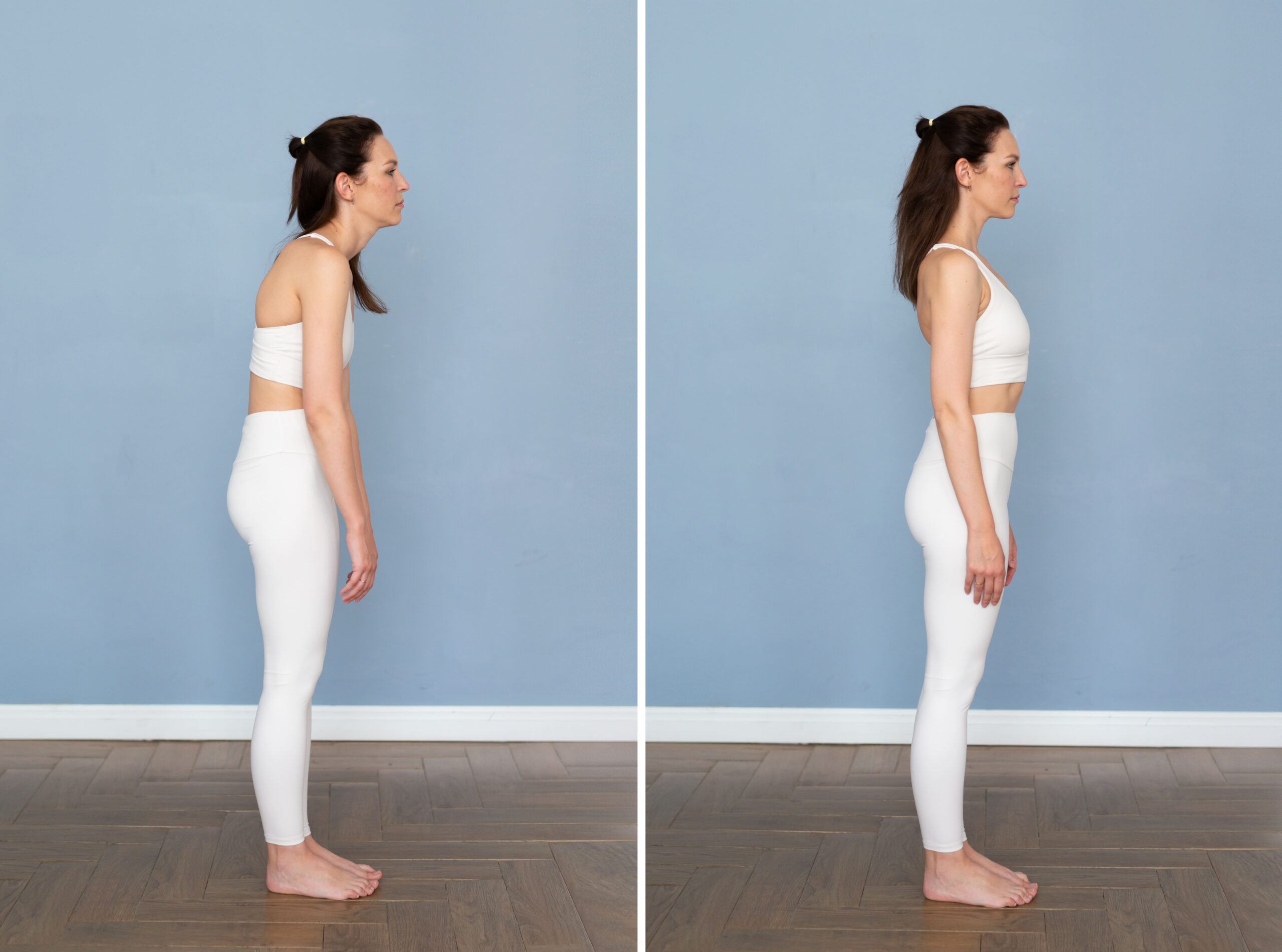
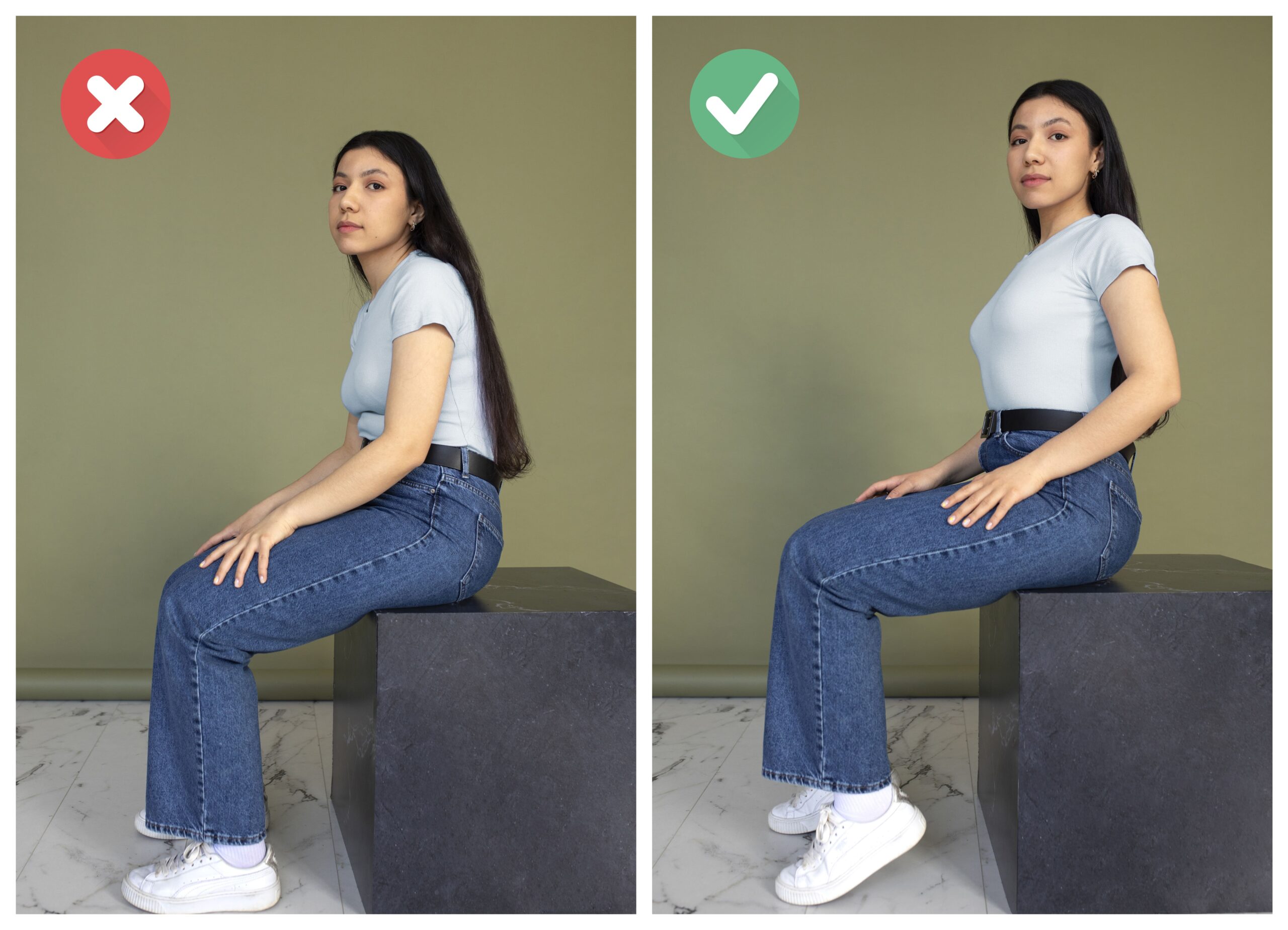
Wondering what your posture has to do with your wellness? Discover the connection below.
Your Wellness Is More Connected Than You Think
Poor Posture Could Be Part of the Picture
COMMON WOMEN'S WELLNESS CONDITIONS
The following are some of the most common women’s wellness conditions:
Urinary Incontinence (Urine Leakage)
Pelvic Floor Dysfunction
Fecal Incontinence
Pelvic Organ Prolapse
Painful Intercourse (Painful Sex)
Recurring Urinary Tract Infections (Chronic UTIs)
Diastasis Recti (Abdominal Separation)
Symptoms to watch for
The following symptoms may indicate a woman’s wellness concern:
Urine Leakage While Coughing
Frequent Urge to Urinate
Pelvic Heaviness or Pressure
Pain During Intercourse
Recurring Urinary Tract Infections
Lower Abdominal or Pelvic Pain
Difficulty Controlling Bowel Movements
Weak Pelvic Floor Muscles
Lower Back Pain with Pelvic Discomfort
Causes
Poor Posture and Pelvic Misalignment
Due to poor posture, the position of the pelvis can get affected, which further puts stress on pelvic floor muscles. Further, this can also result in pelvic floor dysfunction, urine leakage, and reduced pelvic stability.
Weak Pelvic Floor and Core Muscles
The pelvic floor and core muscles together support the bladder, uterus, and bowel. Any weakness in these muscles can lead to stress urinary incontinence, urine leakage, pelvic organ prolapse, and reduced pelvic control.
Pregnancy, Childbirth, and Postpartum Changes
Pregnancy and childbirth put a lot of pressure on the pelvis, stomach, and pelvic floor. Without proper postpartum rehabilitation, these changes can lead to issues like diastasis recti, a weakened pelvic floor, and long-term problems with women’s pelvic health.
Poor Breathing Mechanics
Your diaphragm, core, and pelvic floor all work together as a system. Improper breathing patterns and bad posture reduce the efficiency of the pelvic floor, affecting bladder control, pelvic support, and overall movement.
Sedentary Lifestyle and Poor Movement Habits
Sitting for long periods, lifting things the wrong way, and not being active can weaken the muscles that support your posture. This can lead to poor body alignment and a higher risk of pelvic floor dysfunction and recurring pelvic health issues.
Hormonal Changes, Aging, and Previous Pelvic Surgery
Certain hormonal changes, menopause, and any past pelvic surgeries can affect the tissues and reduce pelvic support. Further, this can increase the risk of urinary incontinence, pain during intercourse, and other health concerns.
Risk Factors

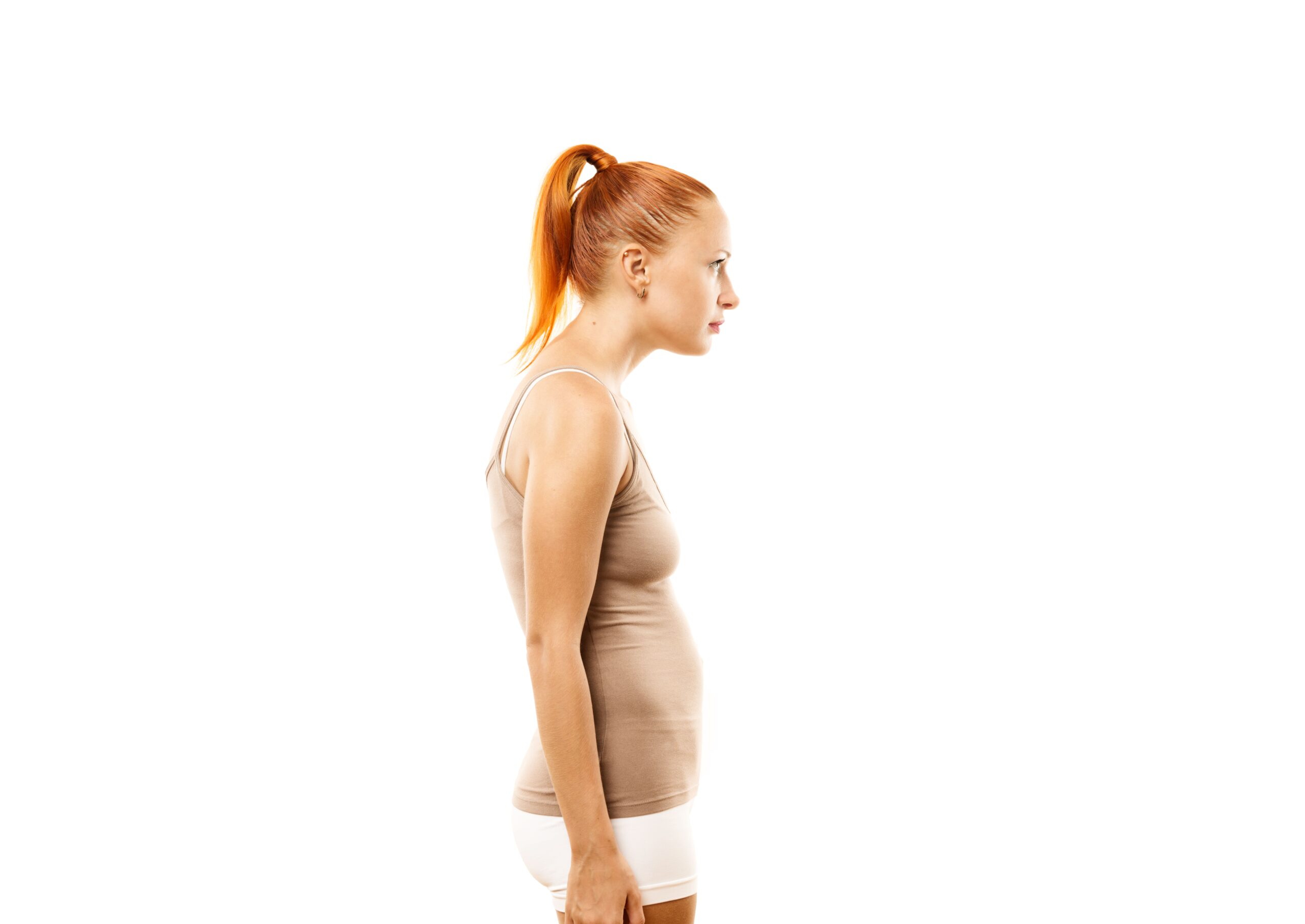
Poor Posture and Body Alignment
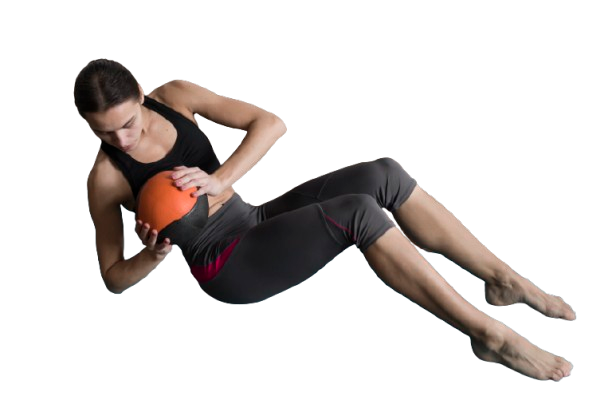
Weak Core and Pelvic Floor Muscles

Ageing and Hormonal Changes
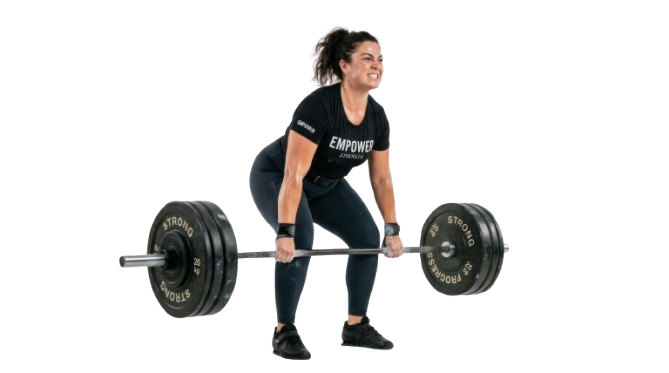
Heavy Lifting and High-Impact Activities
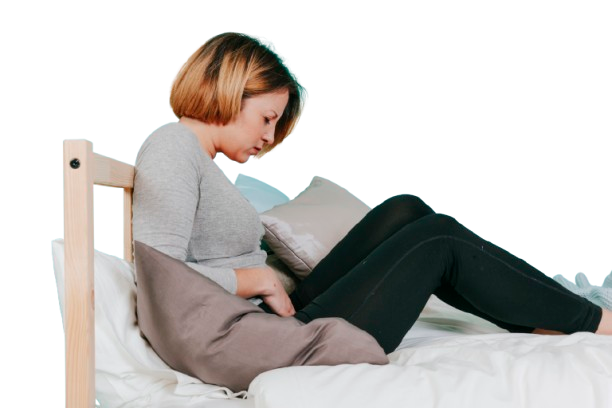
Ignoring Early Pelvic Health Symptoms
WHEN SHOULD YOU VISIT EEZALIGN?
You’ve Tried Everything…
- Changing your daily routine
- Trying different exercises
- Taking supplements
- Resting when you feel uncomfortable
- Managing stress
- Trying home remedies
- Changing your sleeping habits
- Ignoring the changes when they settle
But The Changes Keep Coming Back!
This Is Where Eezalign Comes In
At EEZAlign,women’s wellness changes are not looked at in isolation. Our assessment considers your posture, pelvic alignment, breathing patterns, movement, muscle balance and overall body mechanics to understand what may be contributing to these changes.
01
ASSESS
Posture & Body Function
02
ANALYSE
Movement & Breathing Patterns
03
IDENTIFY
Contributing Factors
04
ADDRESS
Individual Treatment Needs
Understand what your body is going through, address the contributing factors, and take the right step towards better wellbeing.
EXCELLENTTrustindex verifies that the original source of the review is Google. I had been suffering from pain in both my wrists, and after consultations at Fortis and Max Hospitals, surgery was recommended. I decided to try physiotherapy first, and thanks to the dedicated team working under Dr. Isha Sahdev especially Dr. Gayatri Rao, who closely managed my sessions—I experienced remarkable improvement. The care, attention, and professionalism shown throughout my treatment were outstanding. After about 30 physiotherapy sessions, my pain has significantly reduced, and I now feel more than 80% recovered. In fact, I’ve completely dropped the idea of surgery. My body alignment and posture have also improved noticeably, and I’m very happy with the progress. I’m truly grateful to Dr. Gayatri Rao and the entire team for their support throughout my recovery journey. I highly recommend them to anyone seeking effective physiotherapy and long-term recovery support. Eez Align therapists are professional, knowledgeable, and truly cares about their patients. They tailored a treatment plan that really helped my recovery, and their support made each session productive and encouraging. Highly recommended!Posted on GoogleTrustindex verifies that the original source of the review is Google. It took some time but their methods have significantly relieved my shoulder pain. What I really liked is that while there is a focus on addressing the immediate pain, there is a greater focus on identifying and addressing the root cause. Their treatment mix of Chiropractic and Physio has worked well for me. Thank you Shah Rukh, Rajat and Dr. Isha for putting my shoulder onto the path of recovery. And Anjali for your efficiency at the front desk.Posted on GoogleTrustindex verifies that the original source of the review is Google. Steady and gradual improvement over the last 7-8 months.very satisfactory progressPosted on GoogleTrustindex verifies that the original source of the review is Google. Dr Isha has helped me regain confidence by healing chronic ailments. I highly recommend the clinic that supports and maintains hygiene.Posted on GoogleTrustindex verifies that the original source of the review is Google. I came to Eez Align with pain in my legs and lower back and have found their diagnosis and subsequent treatment to be very beneficial.I am under the care of Dr Gayatri who is very capable and patient.The whole team here works as a cohesive whole under the guidance of Dr Isha and Dr Rajat. Their approach is truly holistic,guiding and encouraging you to make lifestyle changes and set long term ,sustainable health goals.I am very grateful to them and highly recommend themPosted on GoogleTrustindex verifies that the original source of the review is Google. Dr. Isha changed my life. I had two cracks in my pelvis girdle, and could not walk at that time. After 3 months, I can walk perfectly now with perfect balance. Our family is thankful to Isha.Posted on GoogleTrustindex verifies that the original source of the review is Google. Excellent understanding of the human body, therapist, Dr.rajat, Dr Isha and Dr Shahrukh, all a wonderful, including a bright smile that I get every time I get hair from Anjali. This is the best spot for your body alignment in Gurgaon.Posted on GoogleTrustindex verifies that the original source of the review is Google. EEZALIGN is nothing less than a unicorn. Among the hundreds of physiotherapy places this one beats the cliche centre's with it unique and truly holistic, and personal approach for individual patients! I tried numerous places internationally in the USA, Ireland and Germany, and locally in Delhi and Gurgaon for over 10 years. Each place took me forward but it was very hard to see the end of the tunnel. EEZALIGN held my hand in my good days and bad days, wiped my tears and kept my faith going. It was a long and tough road but this team did it! I can see and feel the end of this tunnel. The faith in my body and it's power to heal has been restored with their help. They did not give up and did not let me give up. A BIG thank you EEZALIGN.Posted on GoogleTrustindex verifies that the original source of the review is Google. Great experience. Fixed my shoulder pain which was very bad. But the main change in my life was fixing my alignment which was affecting everything else. They fix the issues from the root so that a person can experience an overall better life. Owners are super nice and caring. Recommended!
FAQs
No, urinary incontinence is not a normal part of getting older. While it may happen more often with age, you should not ignore it and focus on its treatment without any delay.
Yes. Bad posture changes how your pelvic floor muscles work with your core. This can lead to pelvic floor problems and issues with bladder control.
Frequent UTIs can arise from several factors. Issues with pelvic health, muscle dysfunction, and changes in pelvic support may also play a role, making an accurate assessment vital.
Absolutely. A weak or poorly functioning pelvic floor can affect body alignment, potentially leading to ongoing lower back pain, hip pain, and pelvic discomfort.
In many cases, yes. A well-rounded rehabilitation program focusing on core strength, proper posture, and effective movement can support the natural improvement of diastasis recti.
In some cases, yes. Tension or weakness in the pelvic floor muscles may lead to pain during intercourse, which warrants proper evaluation.
Many women can improve their condition with pelvic floor exercises, better posture, and movement therapies before considering surgery, depending on how severe it is.
If you experience urine leakage, a heavy feeling in your pelvis, ongoing discomfort, or any lasting symptoms, it’s best to get a professional evaluation as soon as possible.
Not necessarily. The effectiveness of exercises largely depends on your pelvic floor function, posture, body alignment, and the particular condition you’re dealing with.
At EEZAlign, our approach goes beyond simply relieving symptoms. We assess your posture, body alignment, pelvic floor function, breathing mechanics, and movement patterns to identify the root cause and create a customized plan for lasting recovery.
RELATED TERMS
Neck Pain Treatment in Gurgaon
Chronic Neck Pain
Non-Surgical Neck Pain Treatment
Physiotherapy for Neck Pain
Poor Posture
Posture Correction
Forward Head Posture
Rounded Shoulders
Upper Back Stiffness
Postural Stress
Neck Stiffness
Cervical Spondylosis
Tension Headaches
Movement Restrictions
Structural Alignment
Poor Workstation Ergonomics
Sedentary Lifestyle
Muscle Tension
Neck and Head Pain
Shoulder Pain Treatment in Gurgaon
Non-Surgical Shoulder Pain Treatment
Shoulder Pain Due to Poor Posture
Frozen Shoulder Physiotherapy Treatment
Rotator Cuff Injury Treatment
Shoulder Impingement Treatment
Best Physiotherapist for Shoulder Pain
Shoulder Pain from Laptop Use
Drug-Free Shoulder Pain Treatment
Shoulder Pain Assessment in Gurgaon